Hills and paddocks
43,349
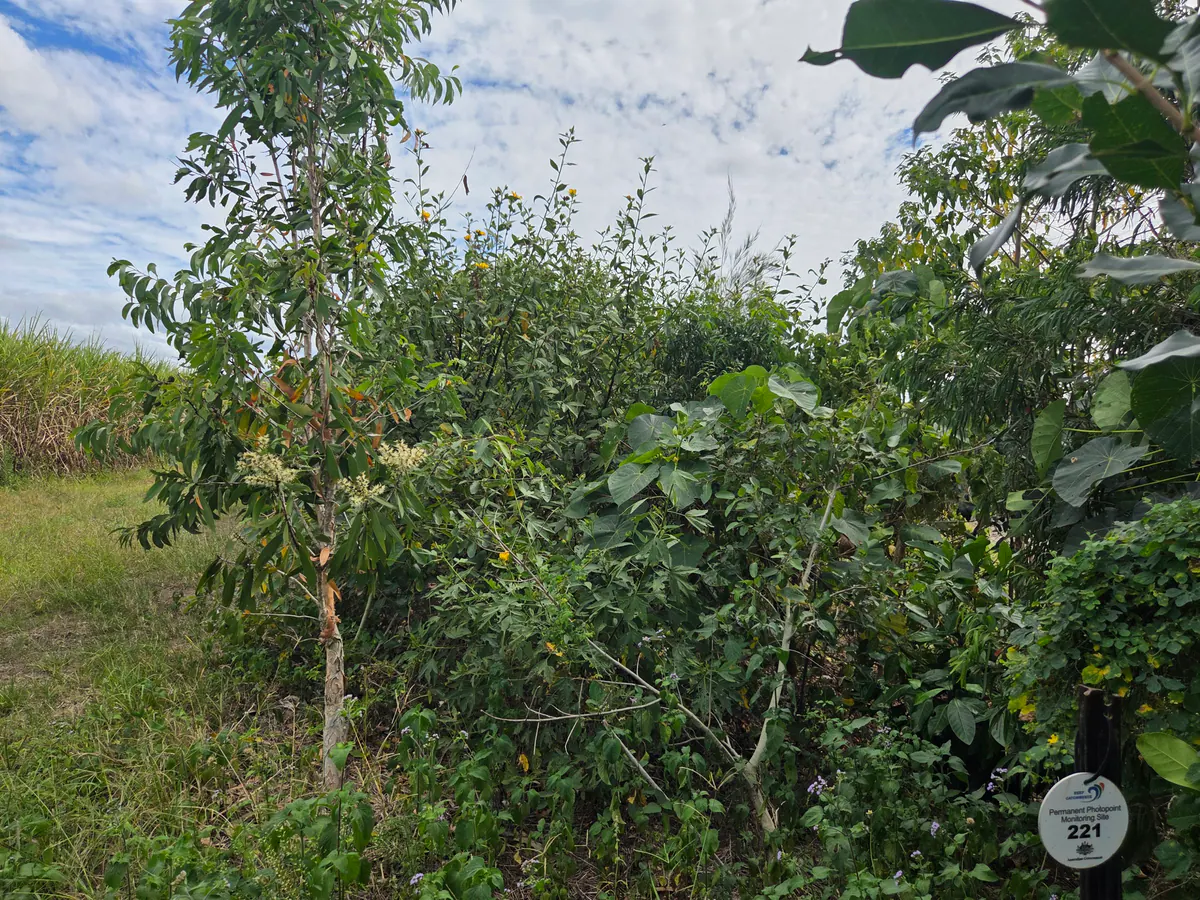
native trees and shrubs planted
Locally sourced and propagated, and matched to the regional ecosystem so the right trees go in the right places.
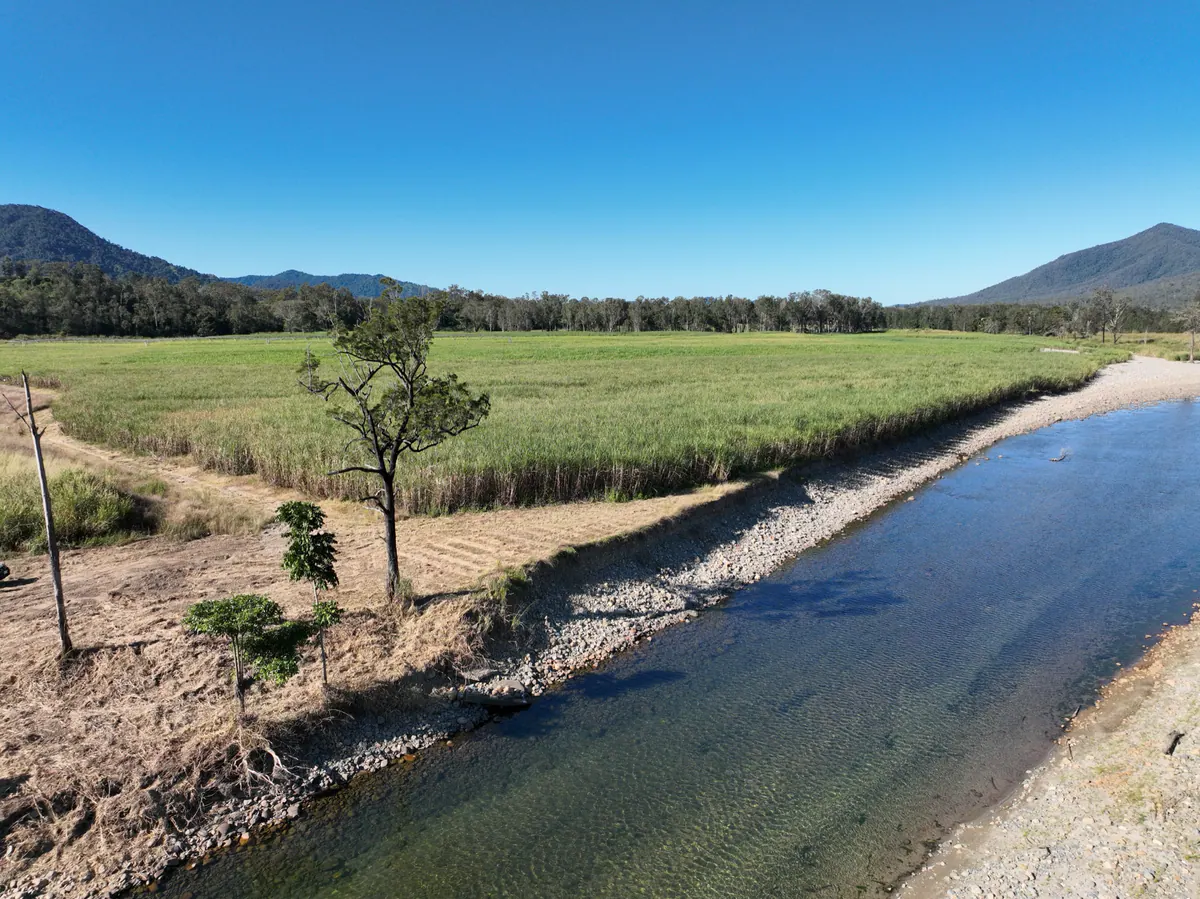
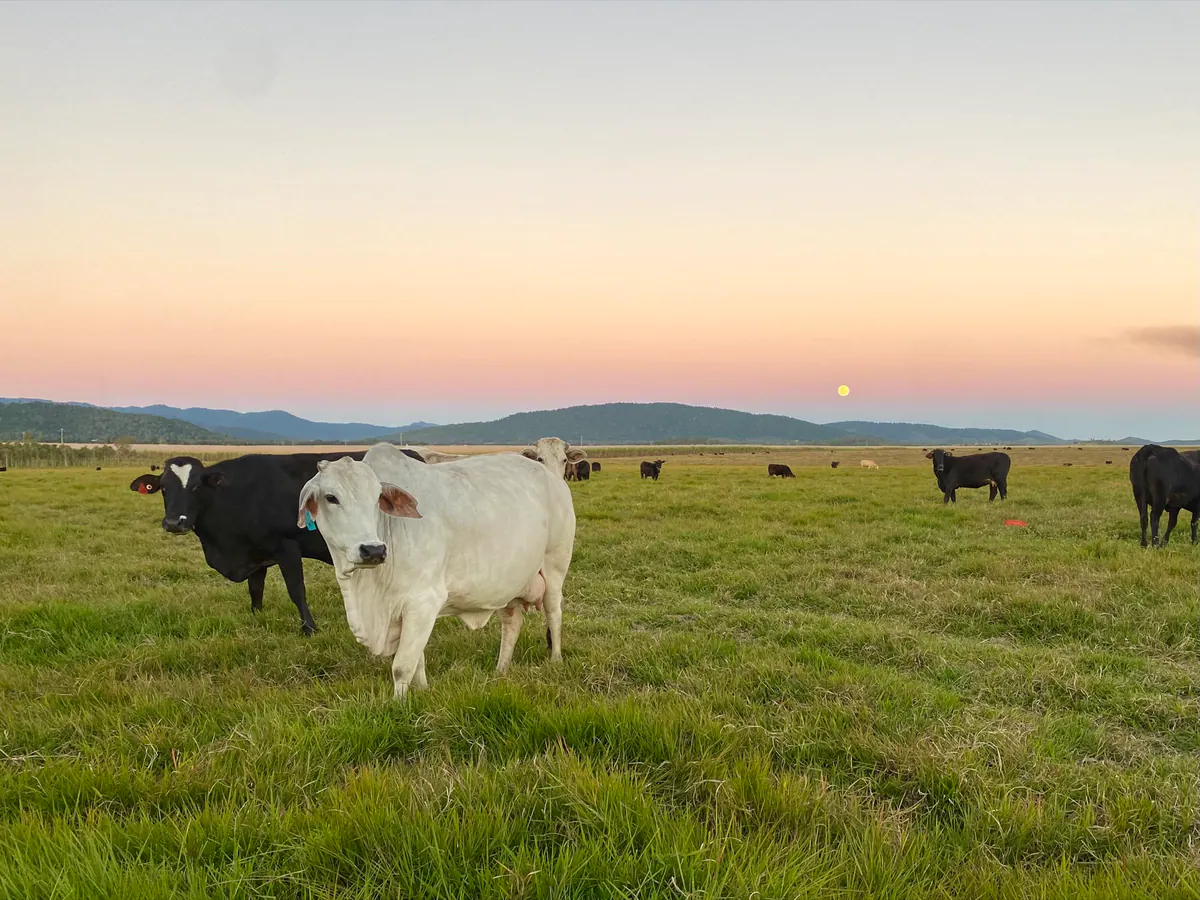
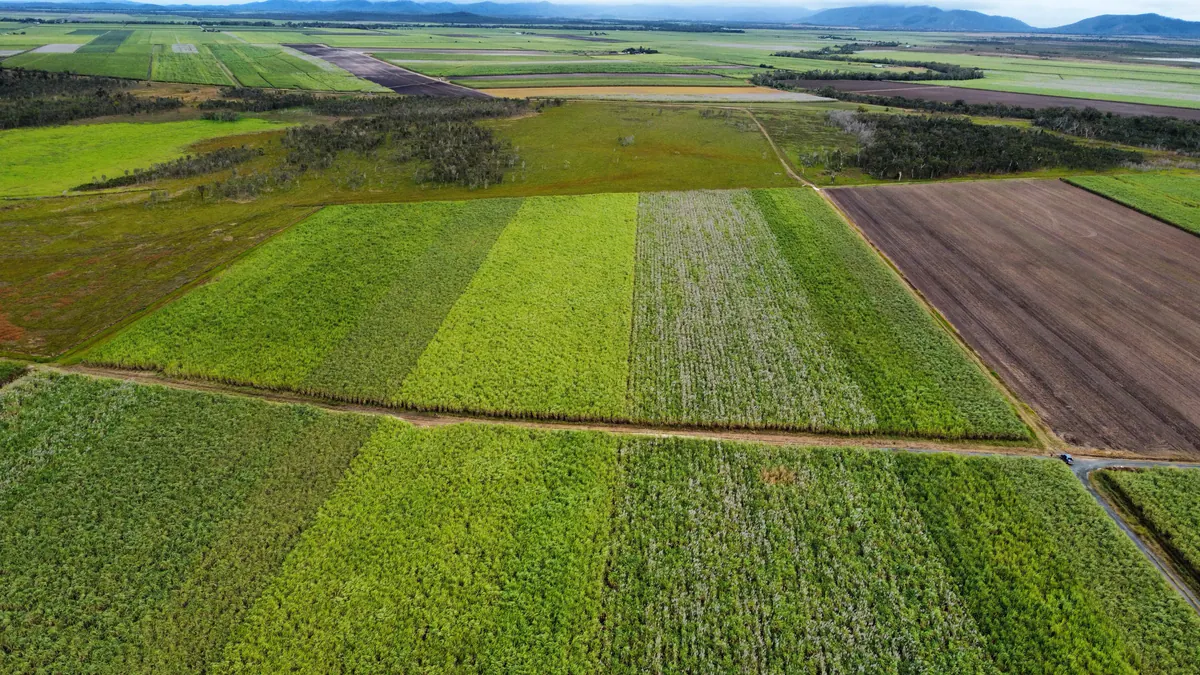
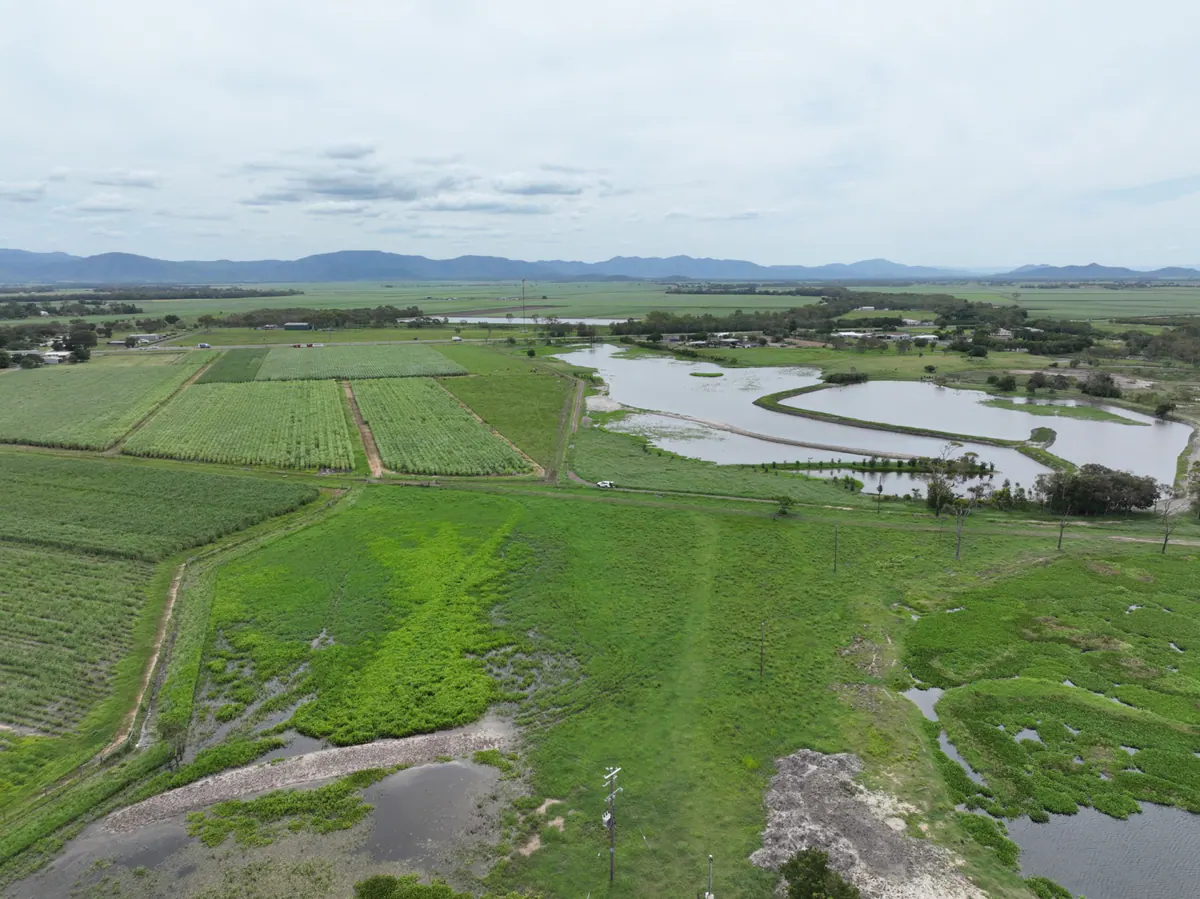
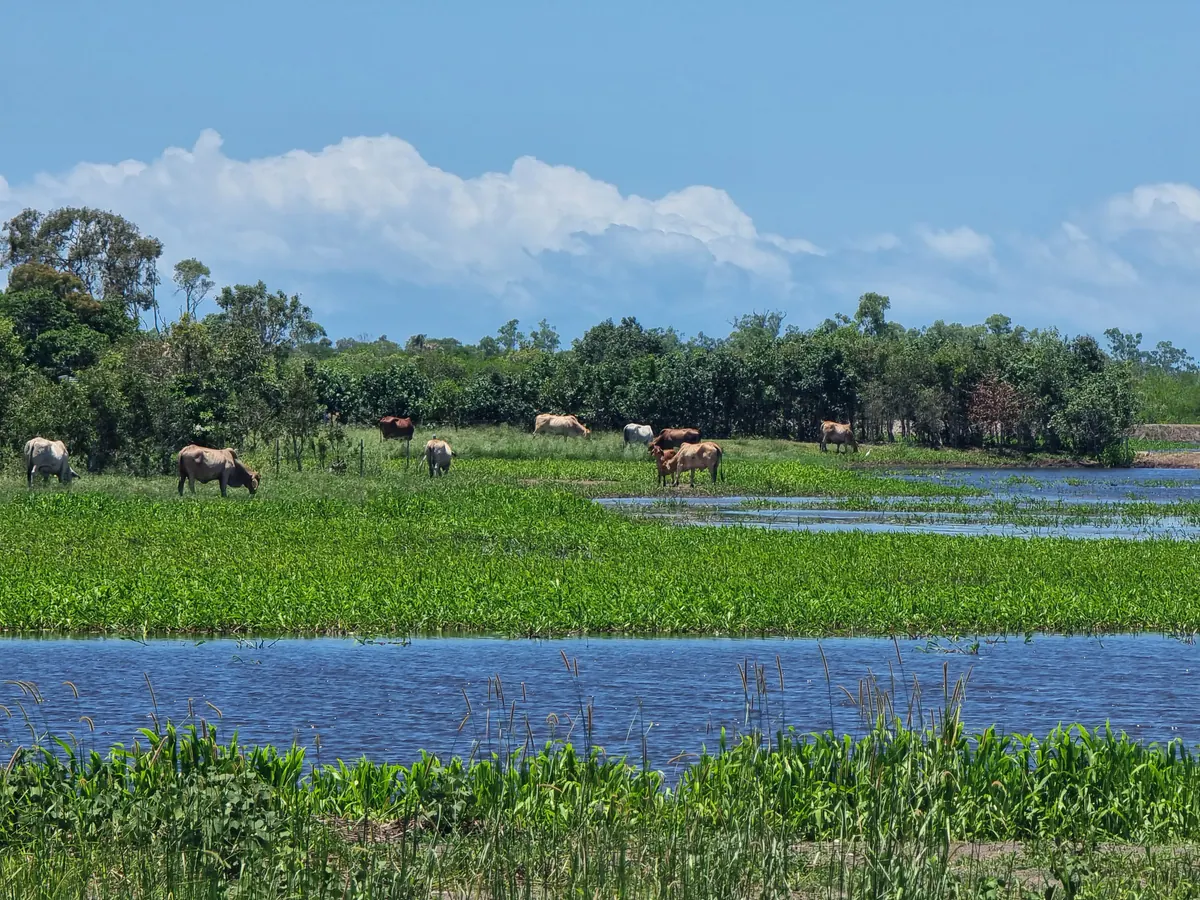
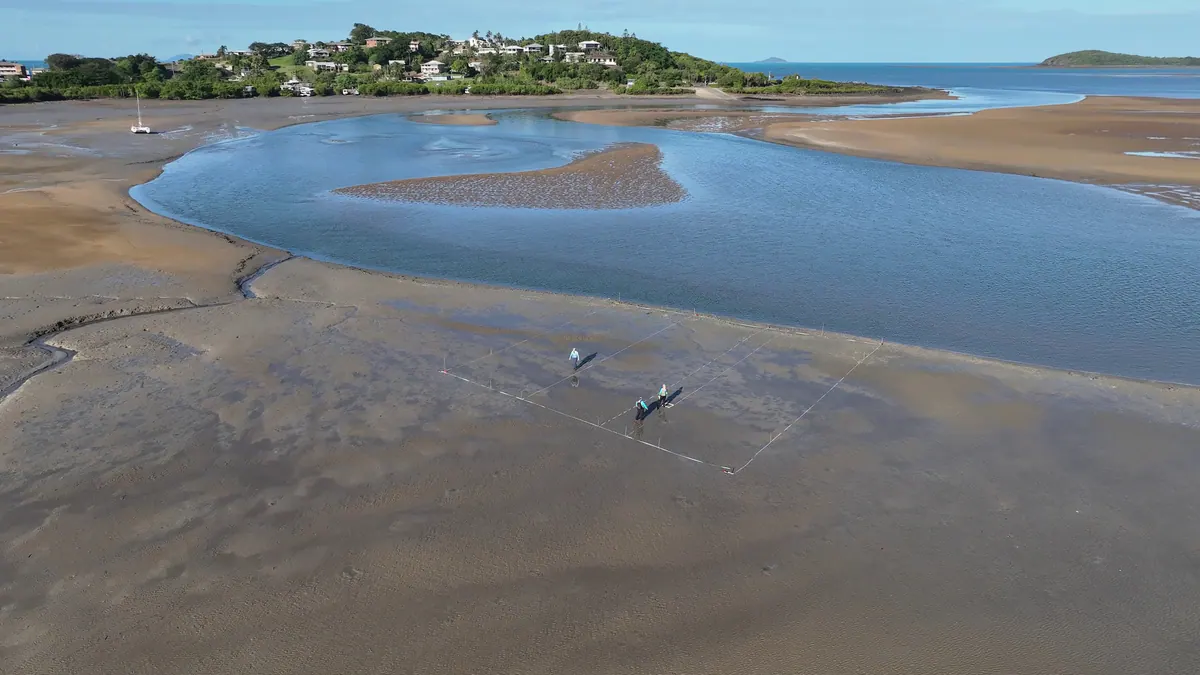
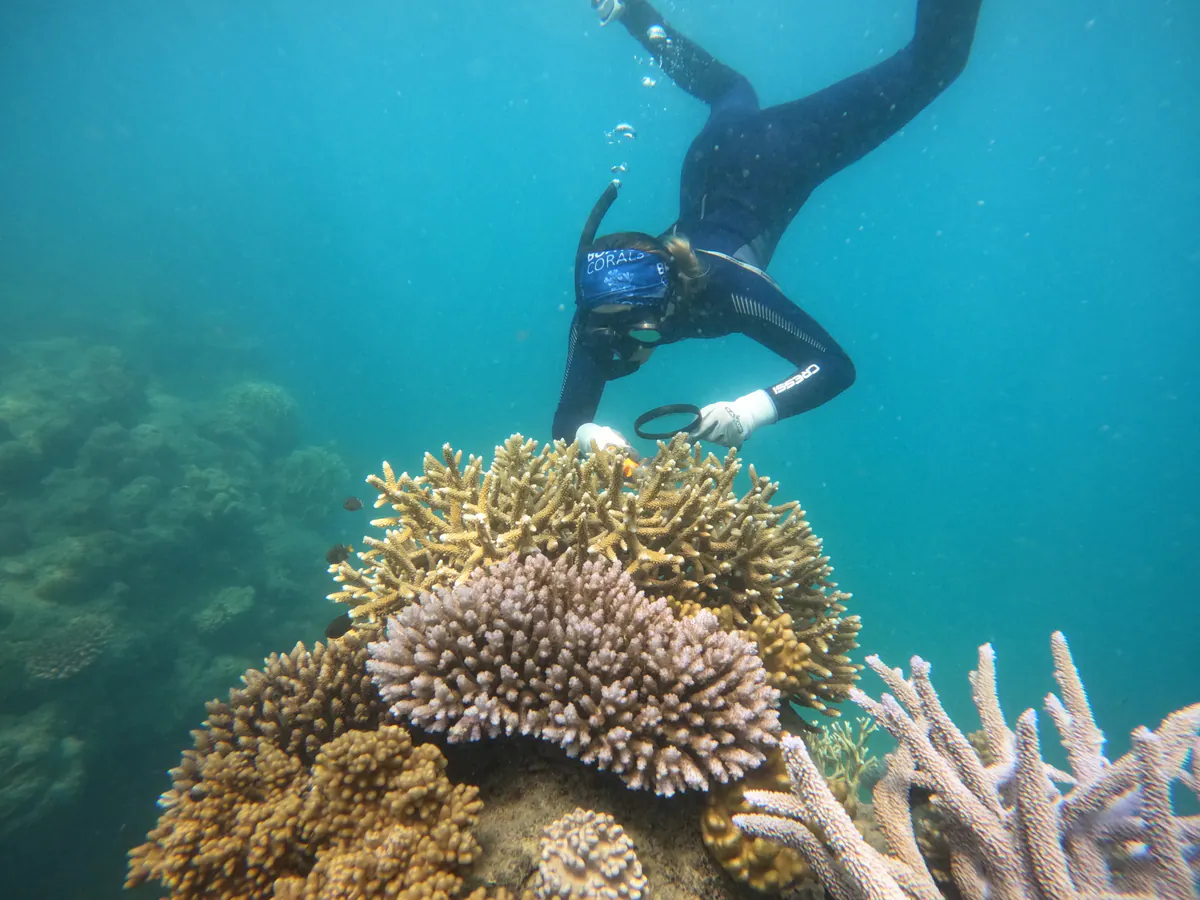
Together with communities, landholders and partners, Reef Catchments is creating positive environmental change from the mountains to the sea.
1 July 2025 to 30 June 2026
40
active projects
$11.3m
invested in the region
62
landholders with active projects in the region
CEO message
When I reflect on the past year, what stands out most is the real and lasting impact of our work, improving environments, supporting communities and creating benefits that will be felt across our region for years to come.
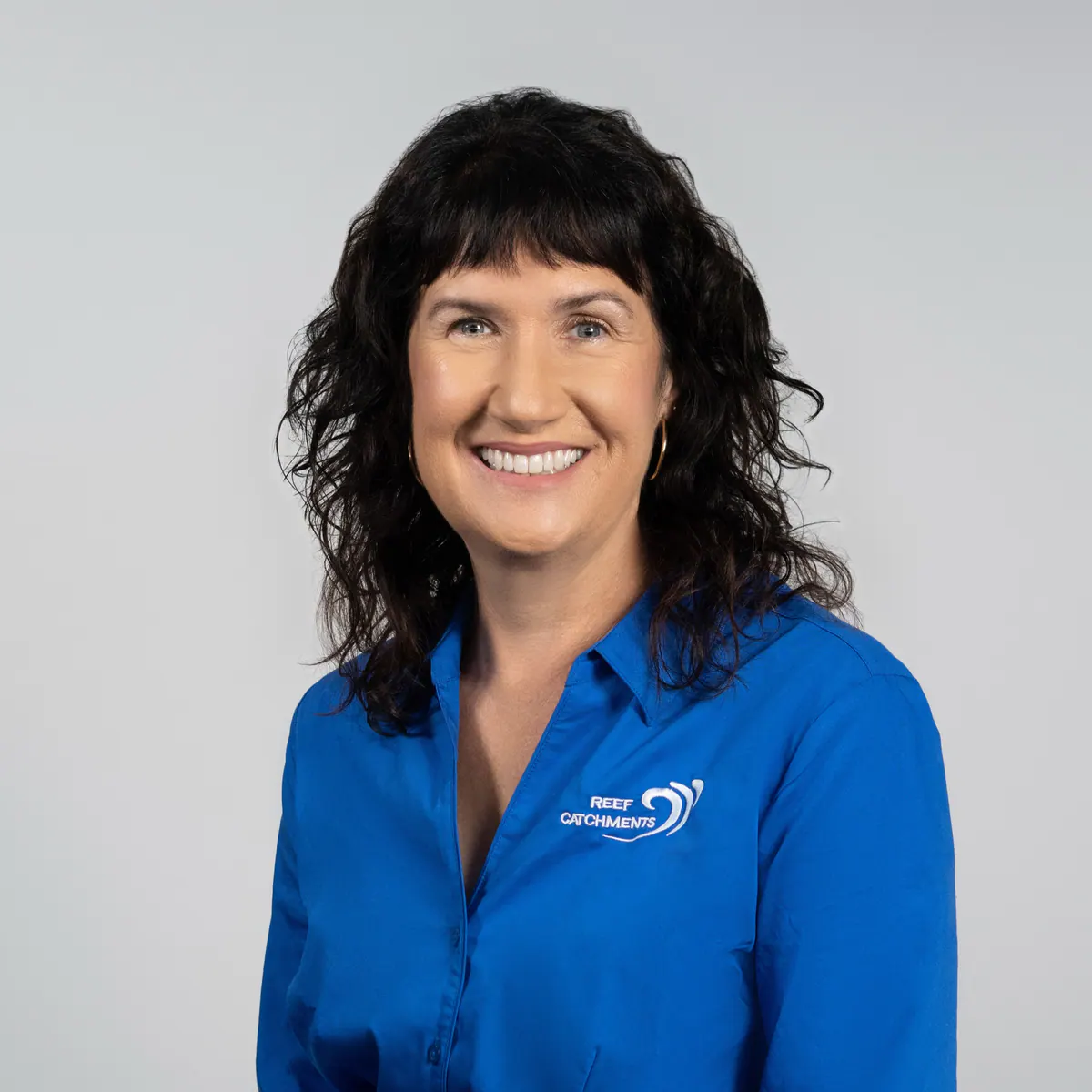
This year marks a new approach for Reef Catchments. Rather than producing a traditional Annual Report focused on activities and outputs, we have chosen to publish our first Impact Report. The reason is simple: we believe the most important story is what changed because of our work. This Report looks beyond project numbers to explore the environmental, community and regional benefits created through collective action.
From the paddocks and wetlands of the valleys to the rivers, coastline and Great Barrier Reef, local people have come together to create positive change. Landholders have adopted new practices, communities have volunteered their time, students have explored environmental science, and partners have invested in shared solutions.
The impact captured in this Report belongs to many hands. It can be seen in protected waterways, restored landscapes, stronger connections between people and place, and a growing commitment to caring for the natural assets that sustain our communities and industries.
Thank you for being part of that journey. This Report shows what is possible when communities, partners and organisations work together towards a shared vision for the future.
Kind regards,
Katrina Dent
Chief Executive Officer
Since stepping into the Chair role this year, I've seen first-hand the calibre of work reflected in this report. I am grateful to former Chair Julie Boyd for her outstanding leadership and unwavering commitment to Reef Catchments, leaving a legacy that continues to shape the organisation and guide its future direction. Reef Catchments' impact is built on genuine partnerships with landholders, communities and industry, and I'm proud to help carry that legacy forward.”
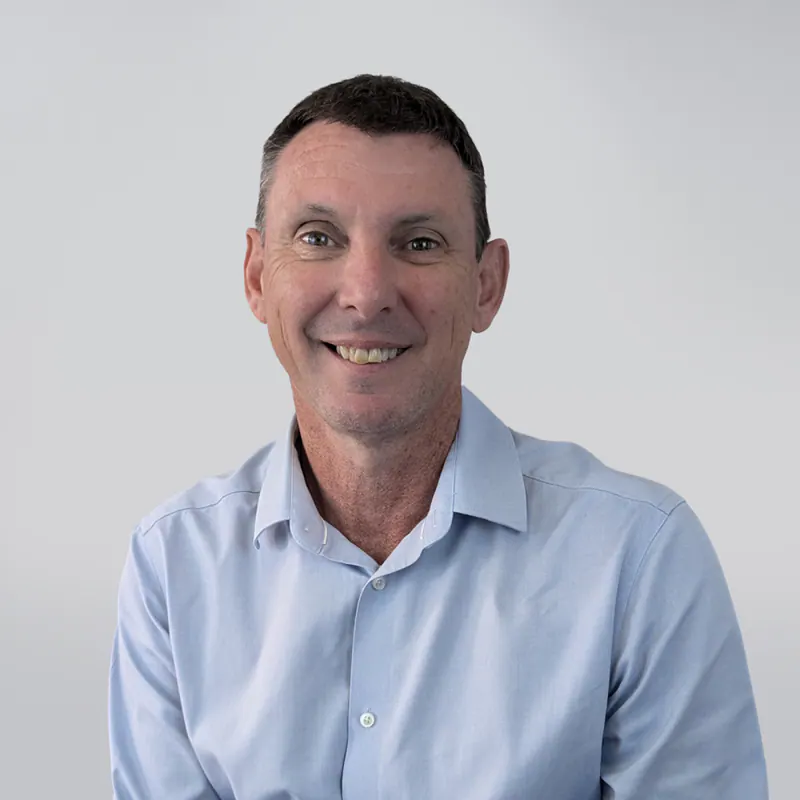
Key project locations across the Mackay Whitsunday Isaac region.
183project locations
Filter by project type
Where the stories happen
Reef Catchments acknowledges the Traditional Owners of the land, sea and waters across the Mackay Whitsunday Isaac region, and pays respect to Elders past, present and emerging: the Juru, Gia, Ngaro, Yuwibara, Koinmerburra, Barada and Widi people.
Healthy land means healthier waterways.
Hills and paddocks
43,349
native trees and shrubs planted
Locally sourced and propagated, and matched to the regional ecosystem so the right trees go in the right places.
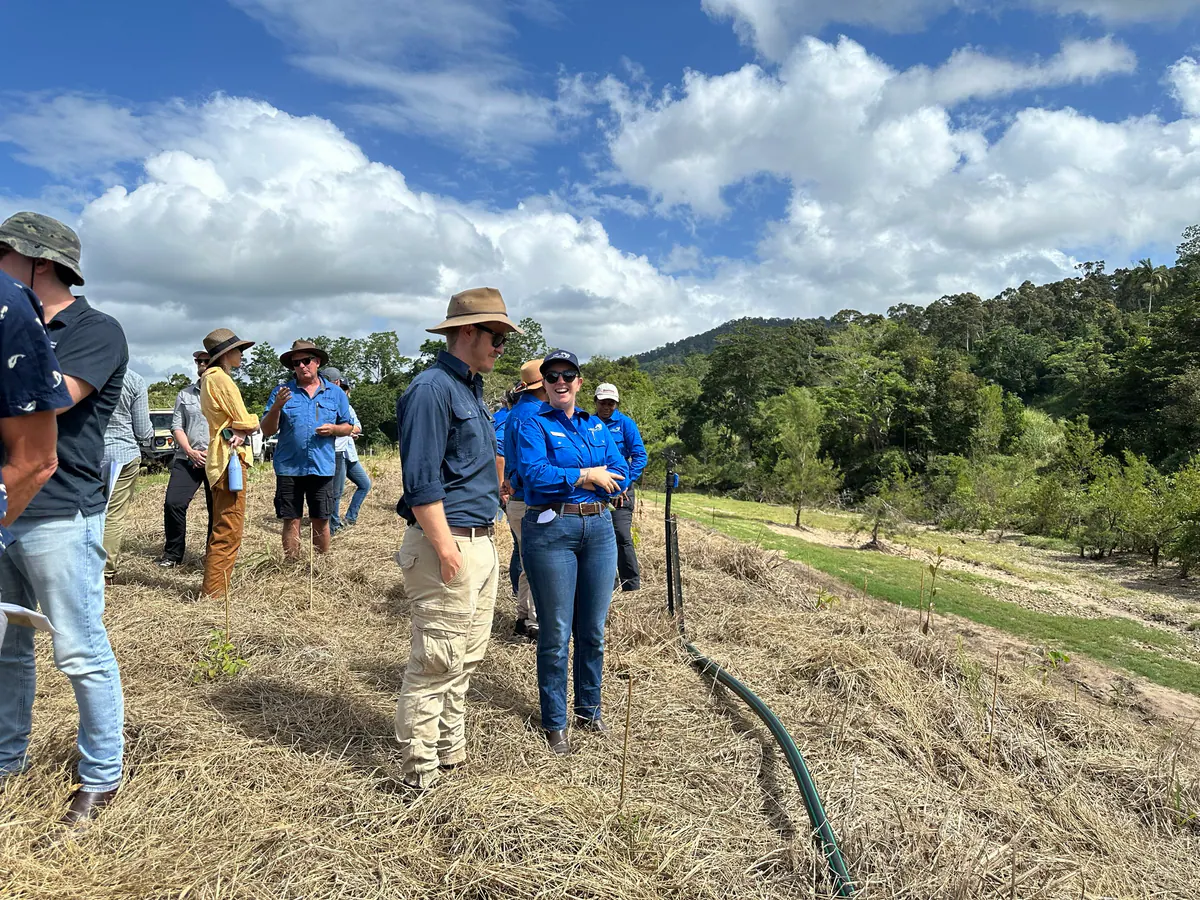
Paddock edges
62.3km
of fencing installed
About the distance from Mackay to Pindi Pindi.
Creek banks
14.2km
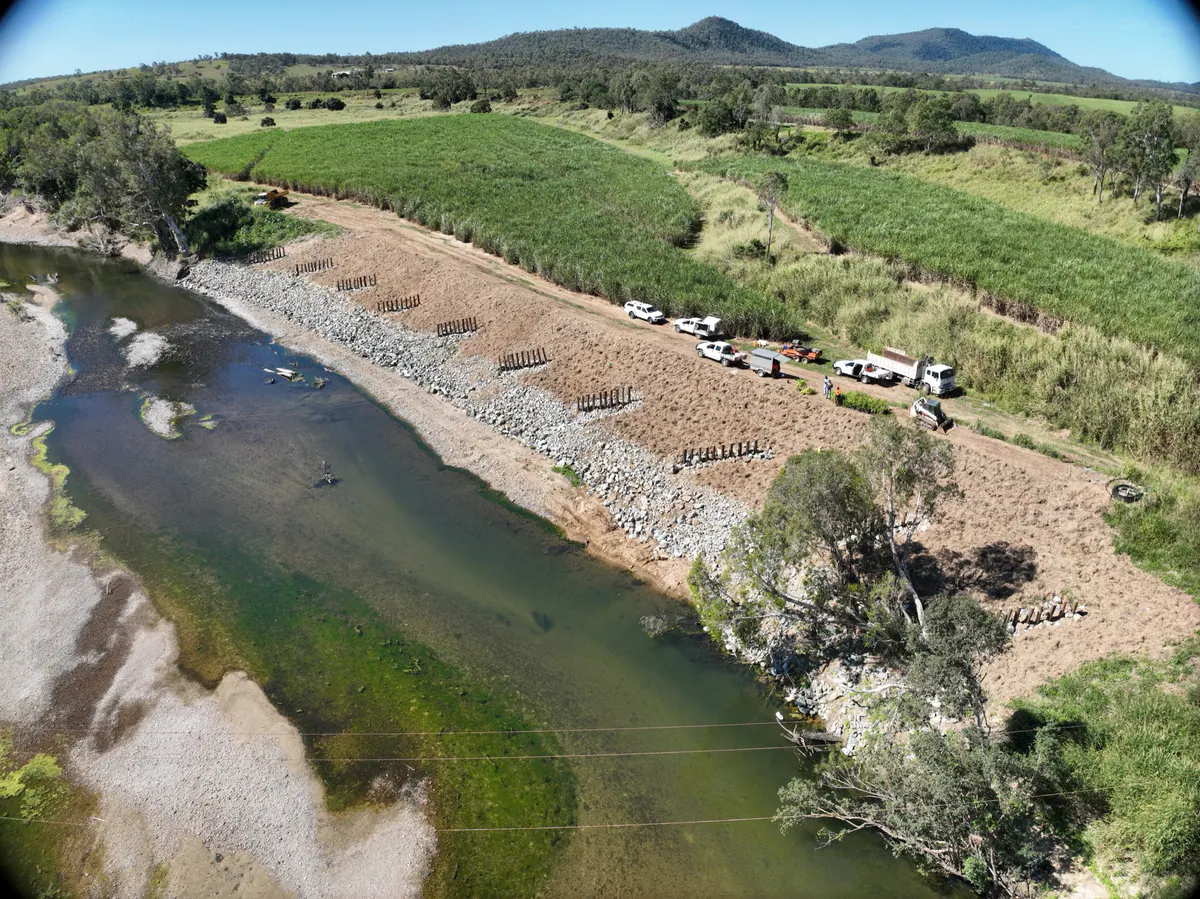
of streambank protected
Roughly Mackay's city centre to Slade Point and back.
Rivers
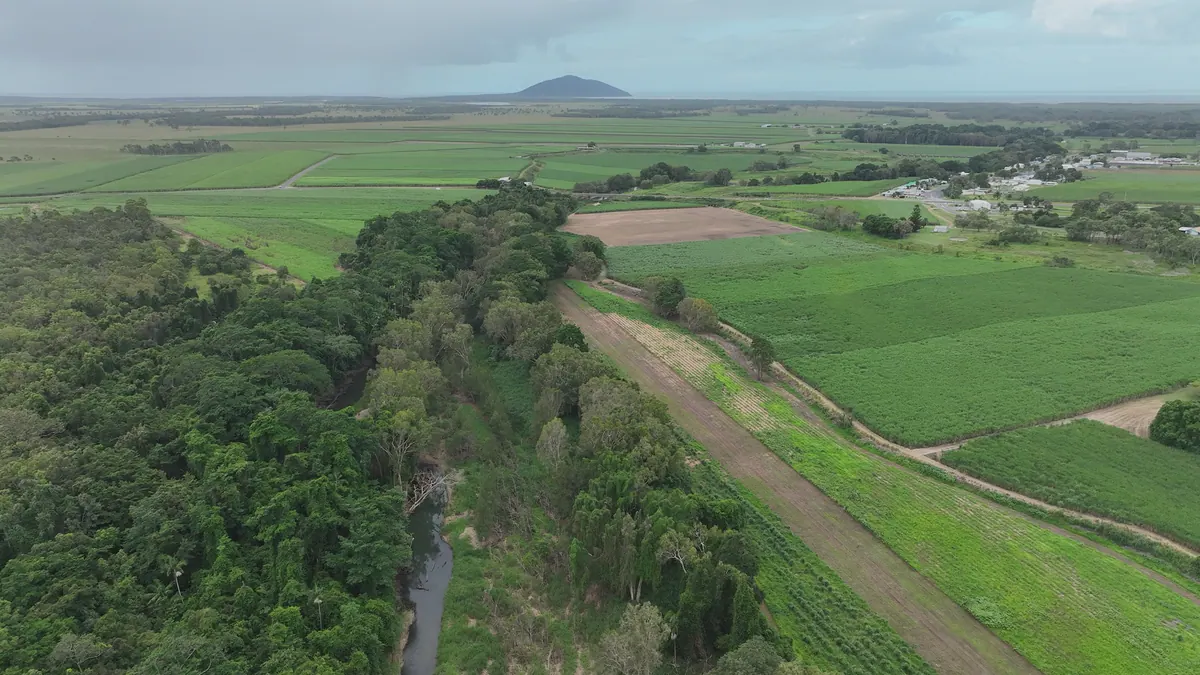
4,822tonnes
of sediment diverted from the Great Barrier Reef
About 240 B-double truck loads of soil
The Reef
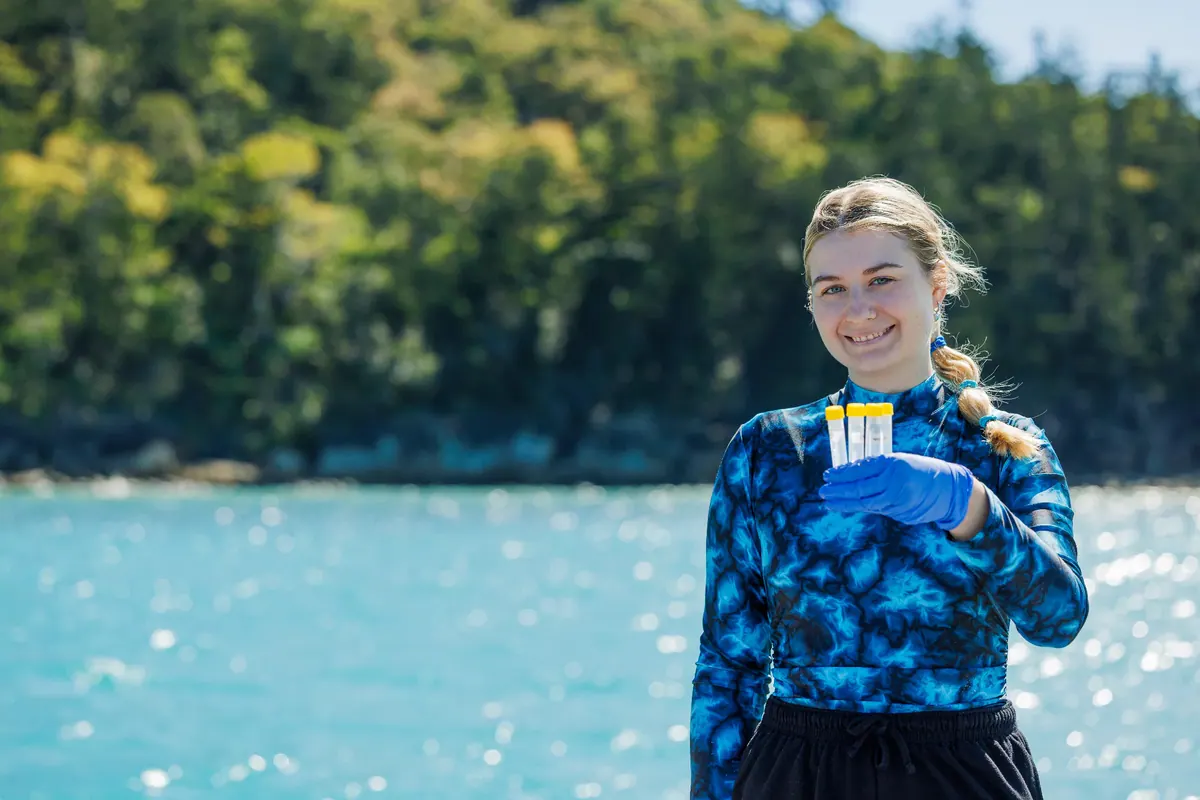
220
marine water samples collected through Project Blueprint
More than four water quality checks every week, for a whole year.
Drag to compare
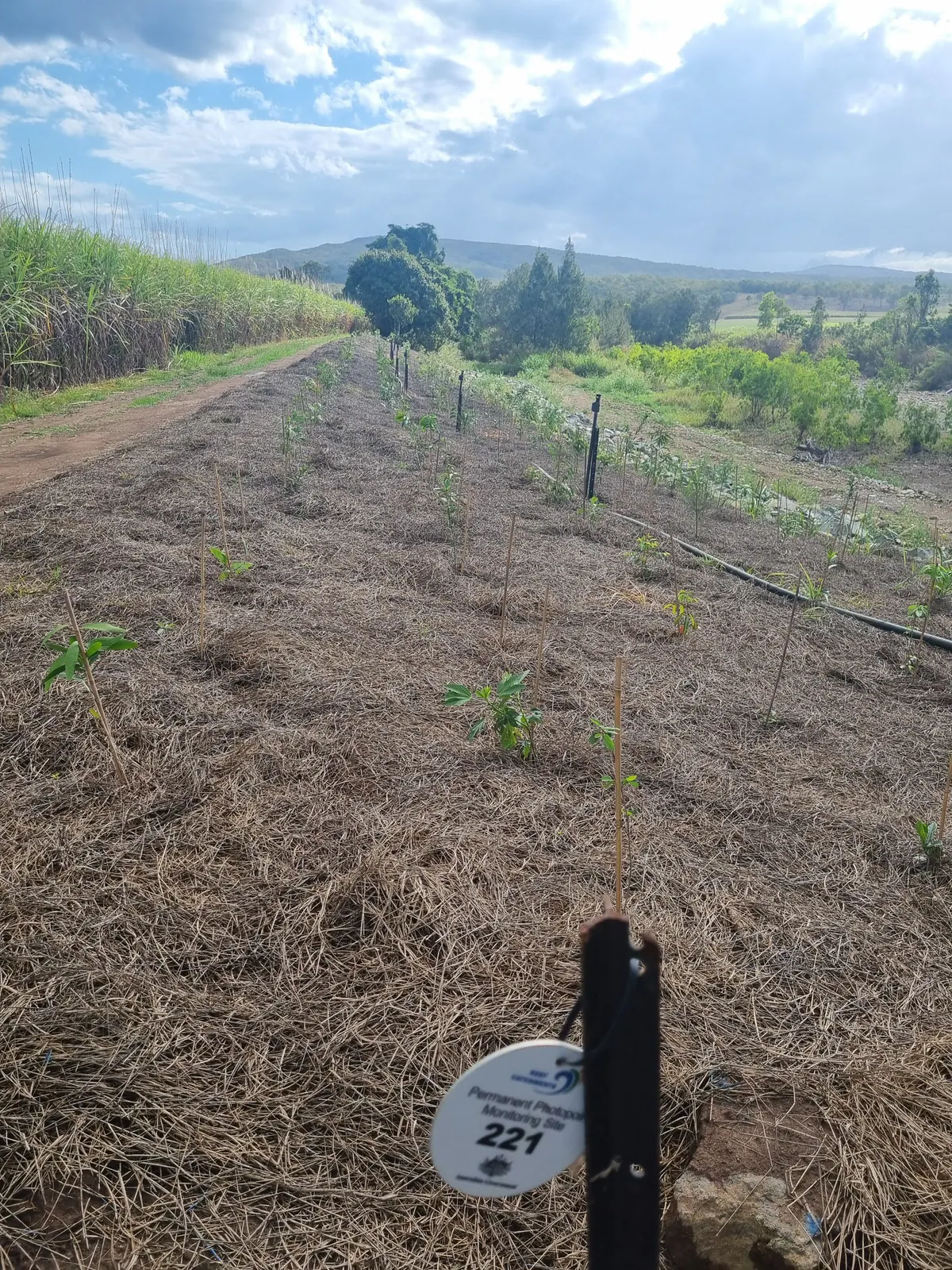
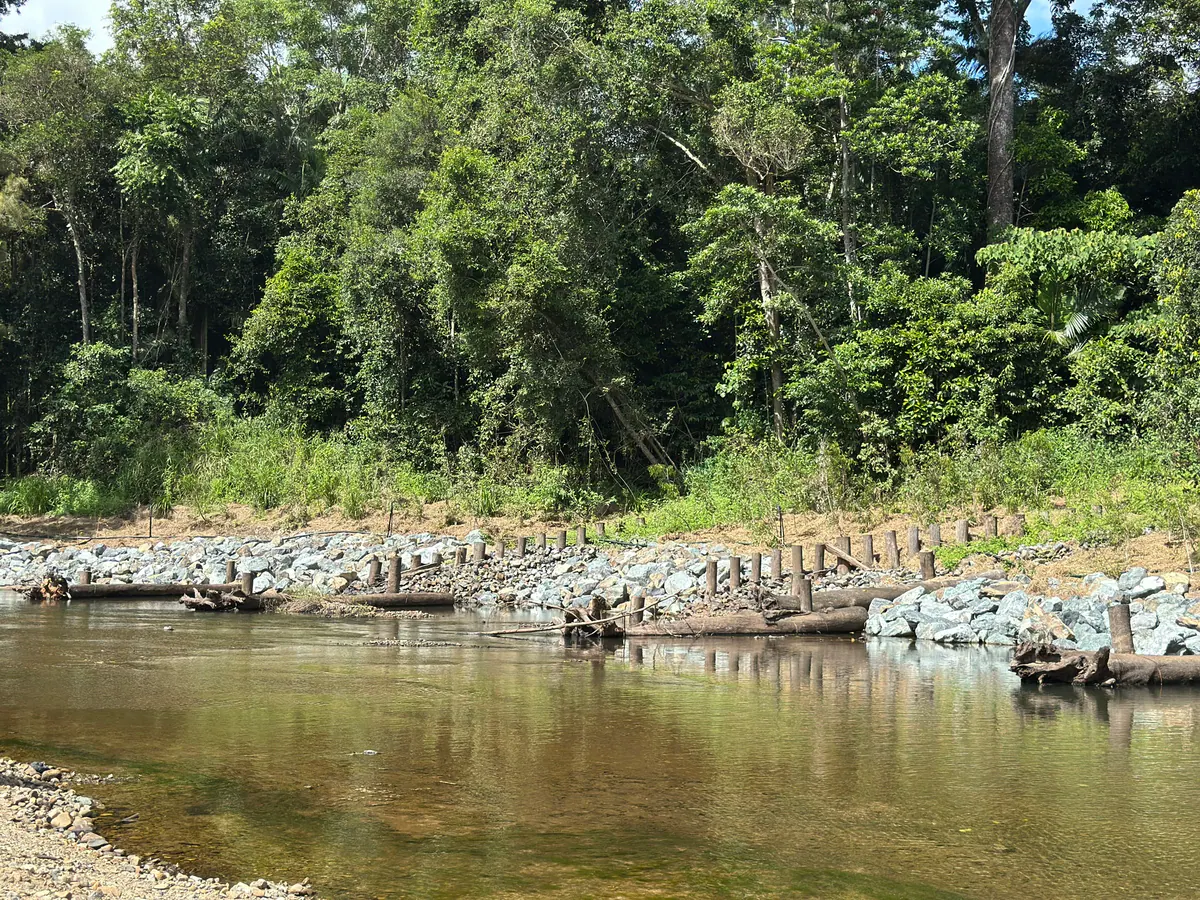
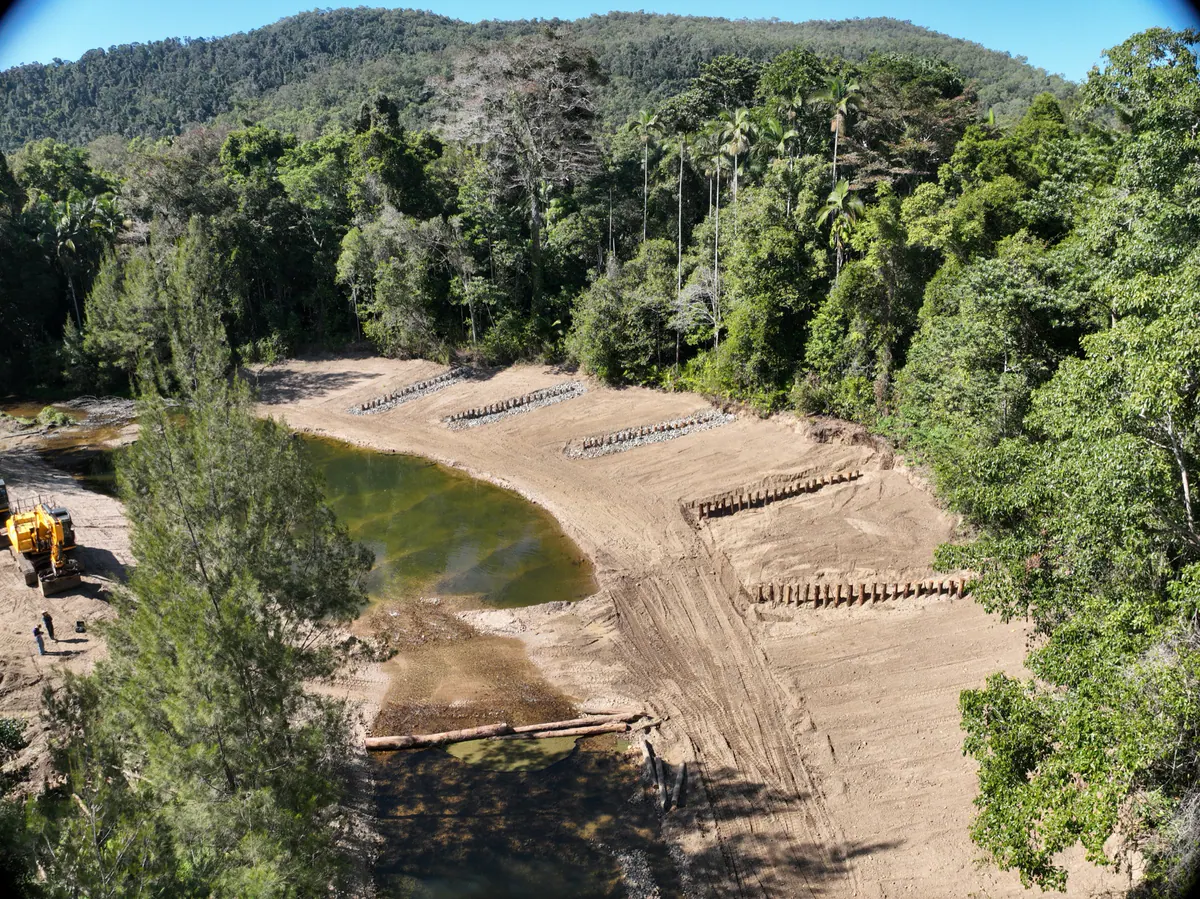
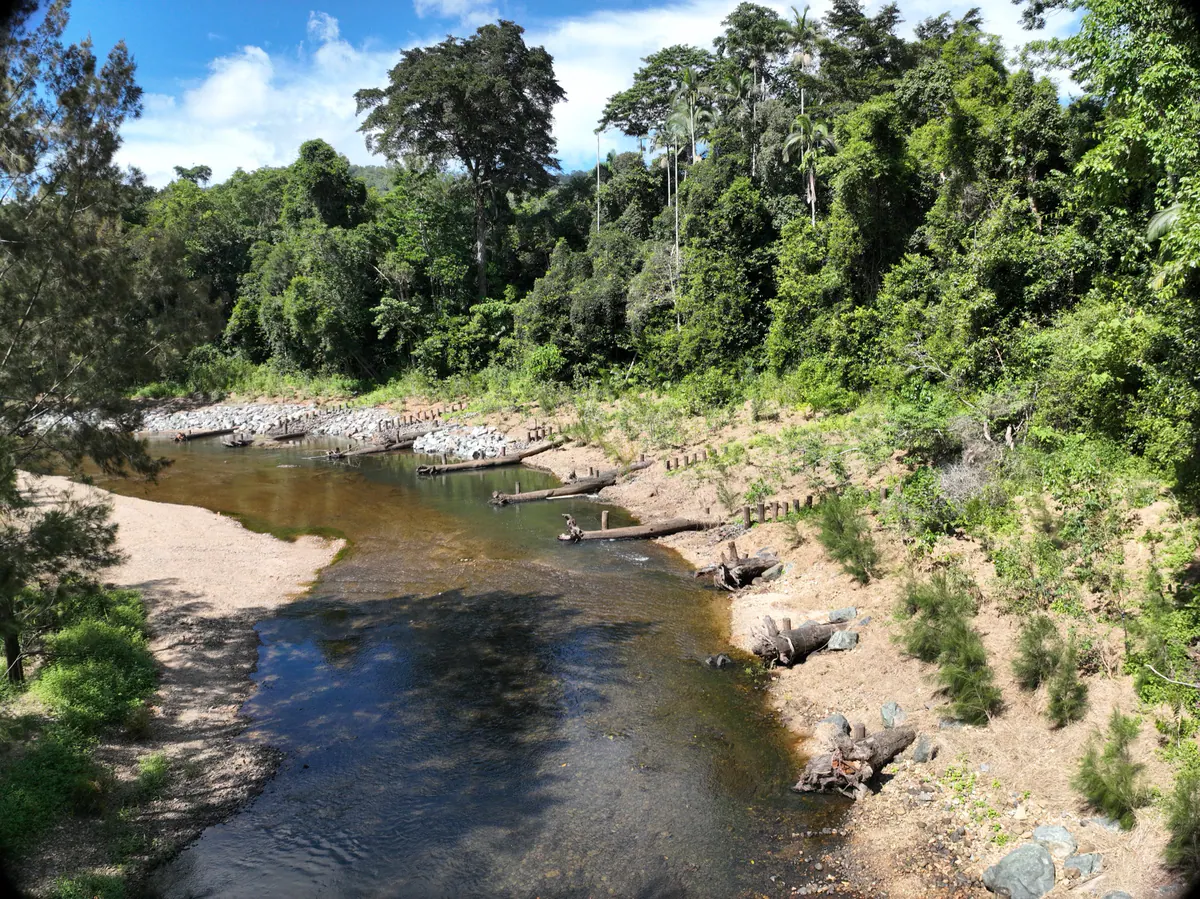
West Hill Creek, photographed from the same point in November 2024 and May 2026.
Environmental impact · Murray Creek, Mt Ossa
Peter and Nancy Baretta, third generation
5
floods have tested the works since they were finished in August 2025
6 to 7 km
of creek on the Baretta's property
6,000+
native trees from the local area planted on the property
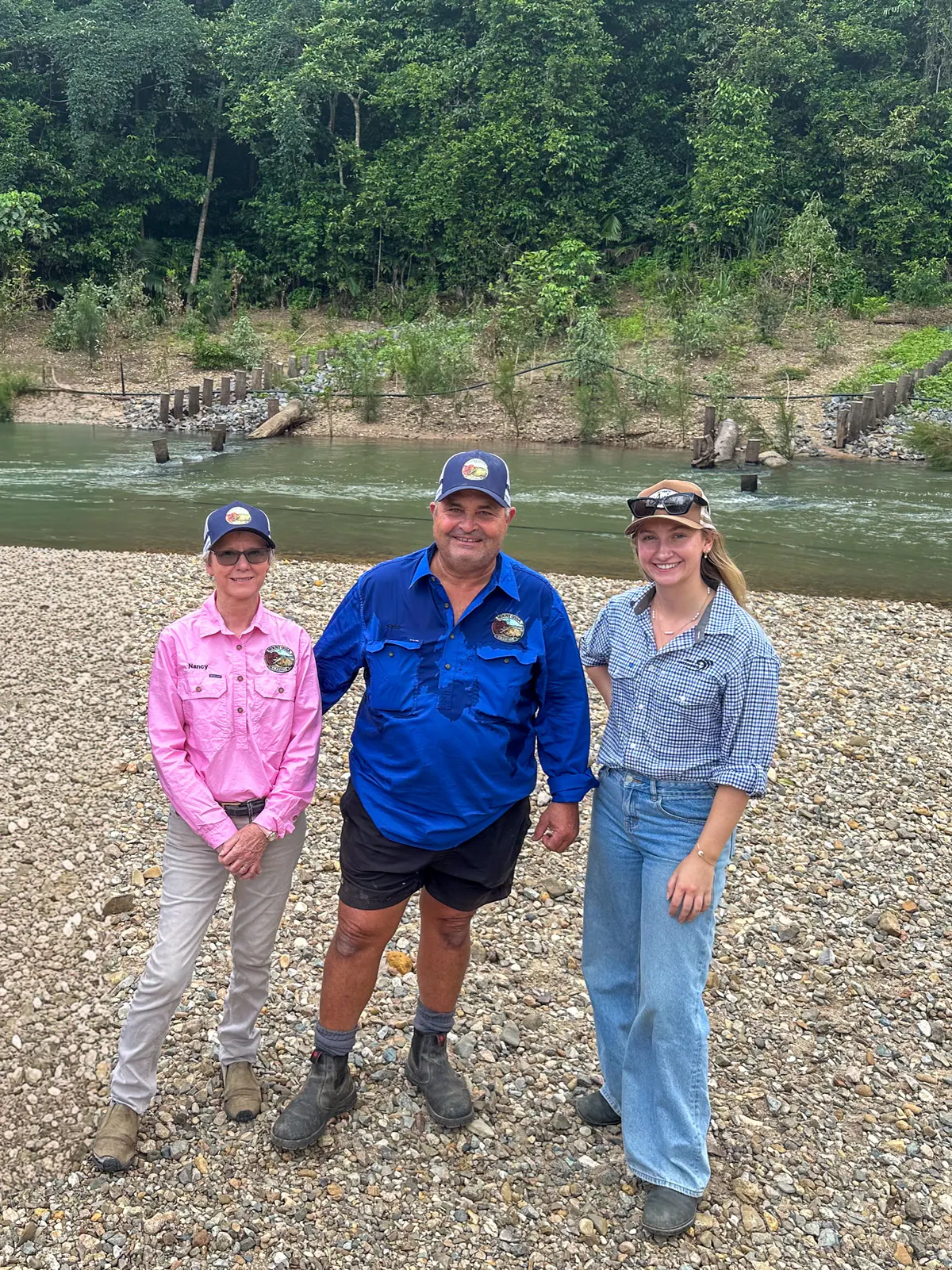
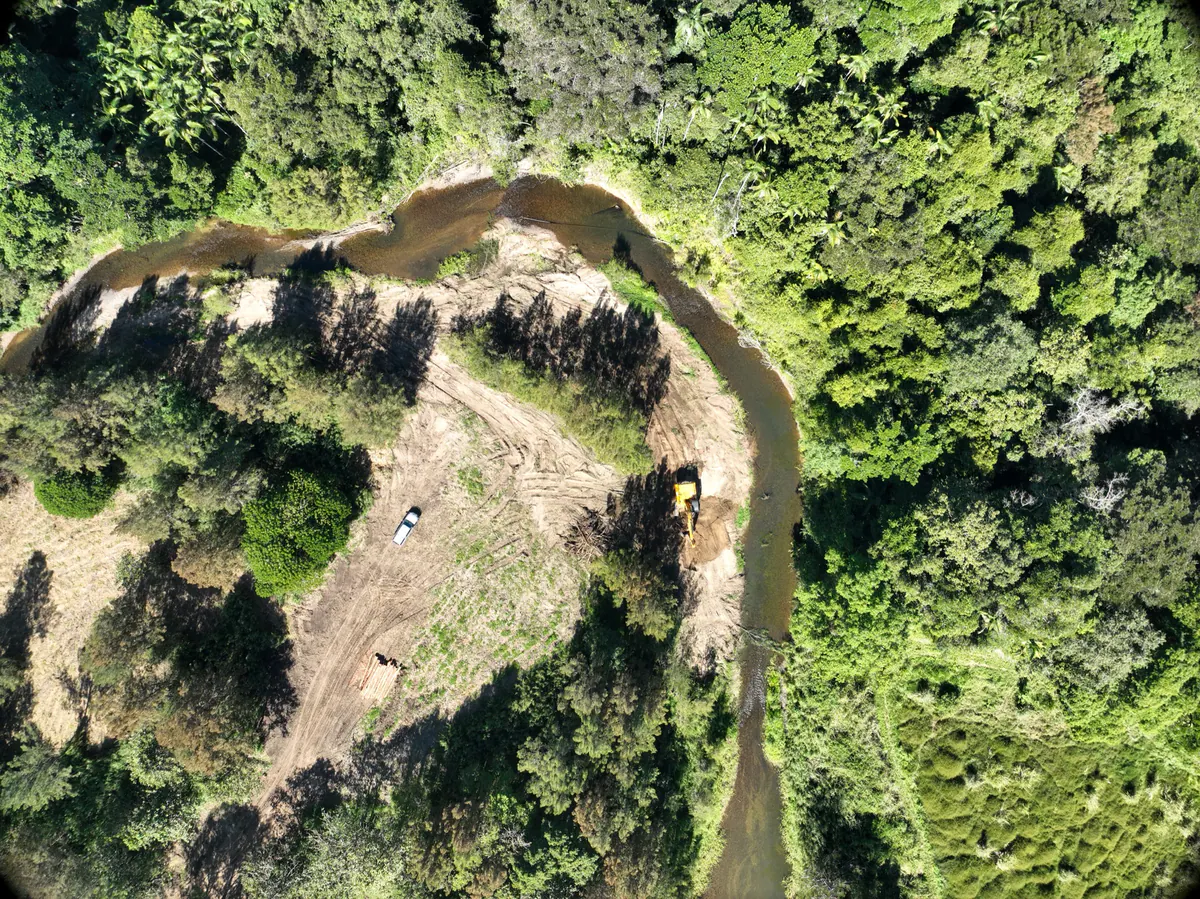
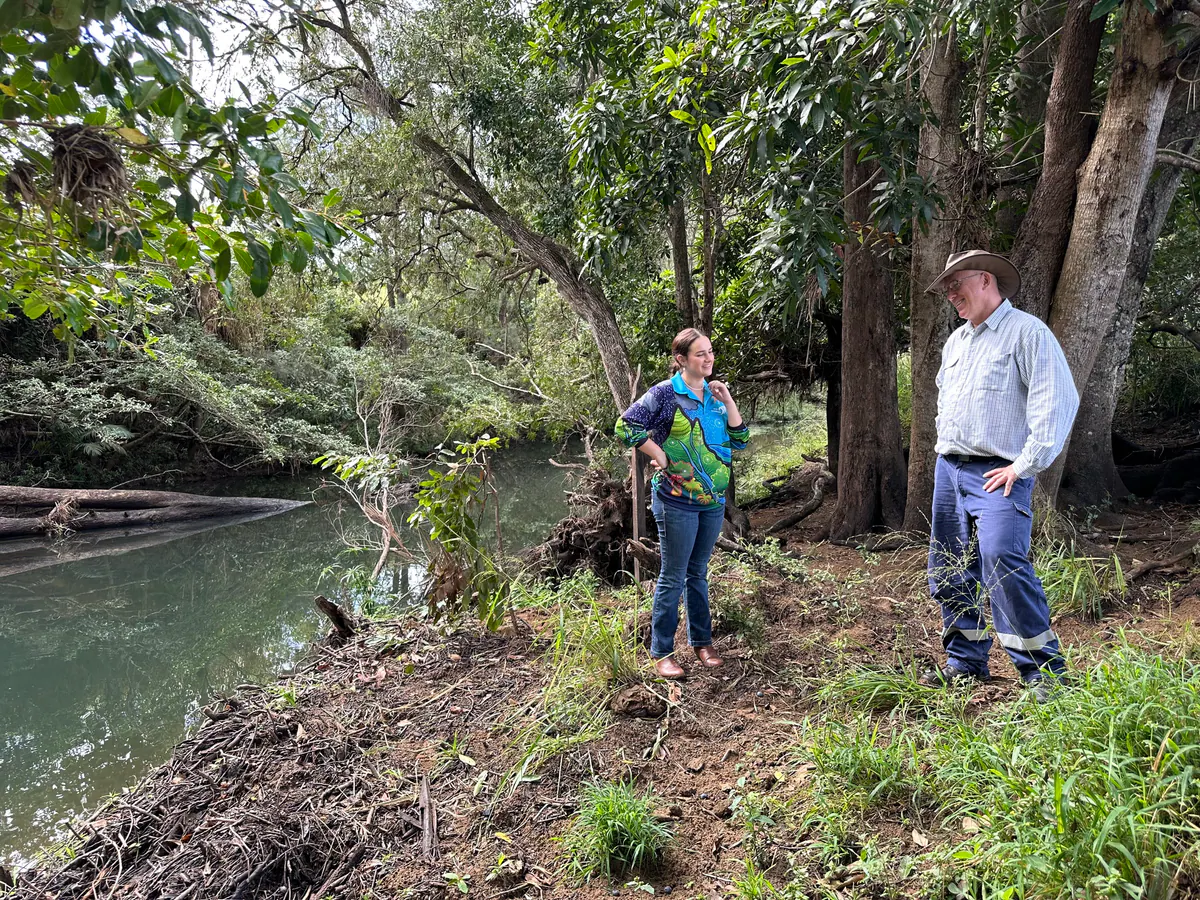
For third generation Mt Ossa farmers Peter and Nancy Baretta, erosion of their Murray Creek property had become an increasingly concerning problem since 2015. Each wet season and subsequent flood was putting more pressure on sections of the creek bank, threatening productive farmland and an endangered rainforest area on their property.
Through the O'Connell Streambank Remediation Program and Landscape Repair Program, Reef Catchments worked with Peter and Nancy to tackle some of the worst affected areas. The work included installing timber pile fields and rootball logs to slow water and help stabilise the creek bank, along with revegetation, streambank fencing and off-stream watering points.
While making it easier for Peter and Nancy to manage their property, most importantly these improvements reduce erosion and sediment loss, protect productive land and remove stock access to vulnerable areas along Murray Creek.
For Peter and Nancy, having Reef Catchments involved ensured significant works were completed that otherwise would have been difficult to undertake themselves, while ensuring the solutions worked for both the farm and the environment.
Most importantly, the works did their job when tested during several floods in the 2025-26 wet season, showing they are making a real difference.
One of those floods came from the remnants of Cyclone Koji.
Since the works on our property were completed in August 2025, we've had three reasonable floods and two good floods. We've got six to seven kilometres of creek, and you get a lot of water flow quickly against your banks. Sometimes it just gets away from you. You're losing ground, you're losing pastures, and you're losing production. What they've done here, the amount it's saved is phenomenal.
“This area is home to so much wildlife - quolls, platypus, turtles, Ulysses butterflies - and you don't want to lose that. Protecting the banks means protecting that habitat.
“Working with Reef Catchments isn't about them telling us what we can and can't do. We see them as a partner who helps us make positive changes on the farm. We all bring different skills and knowledge to the table, and we work through practical solutions together.”
Women in Agriculture · Ilbilbie
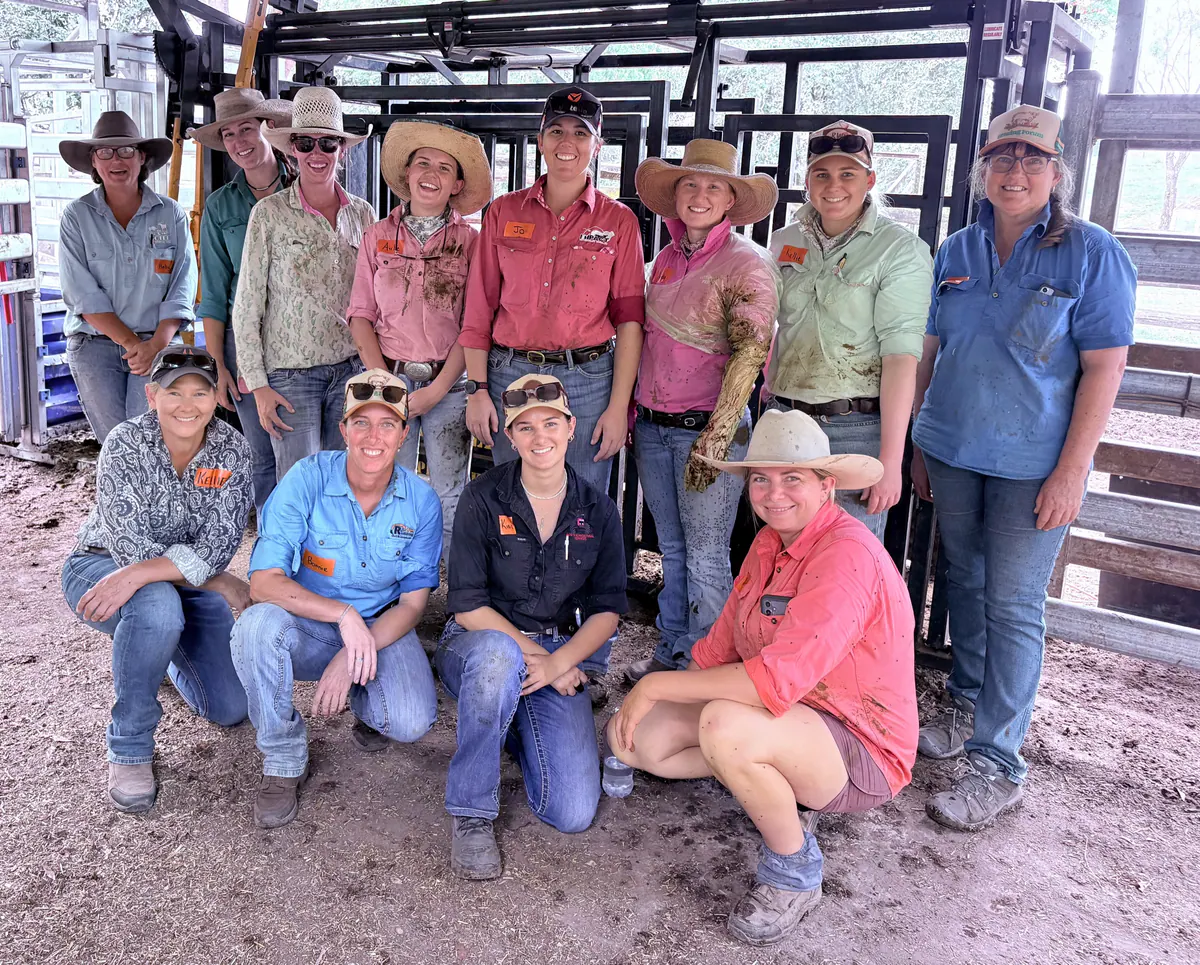
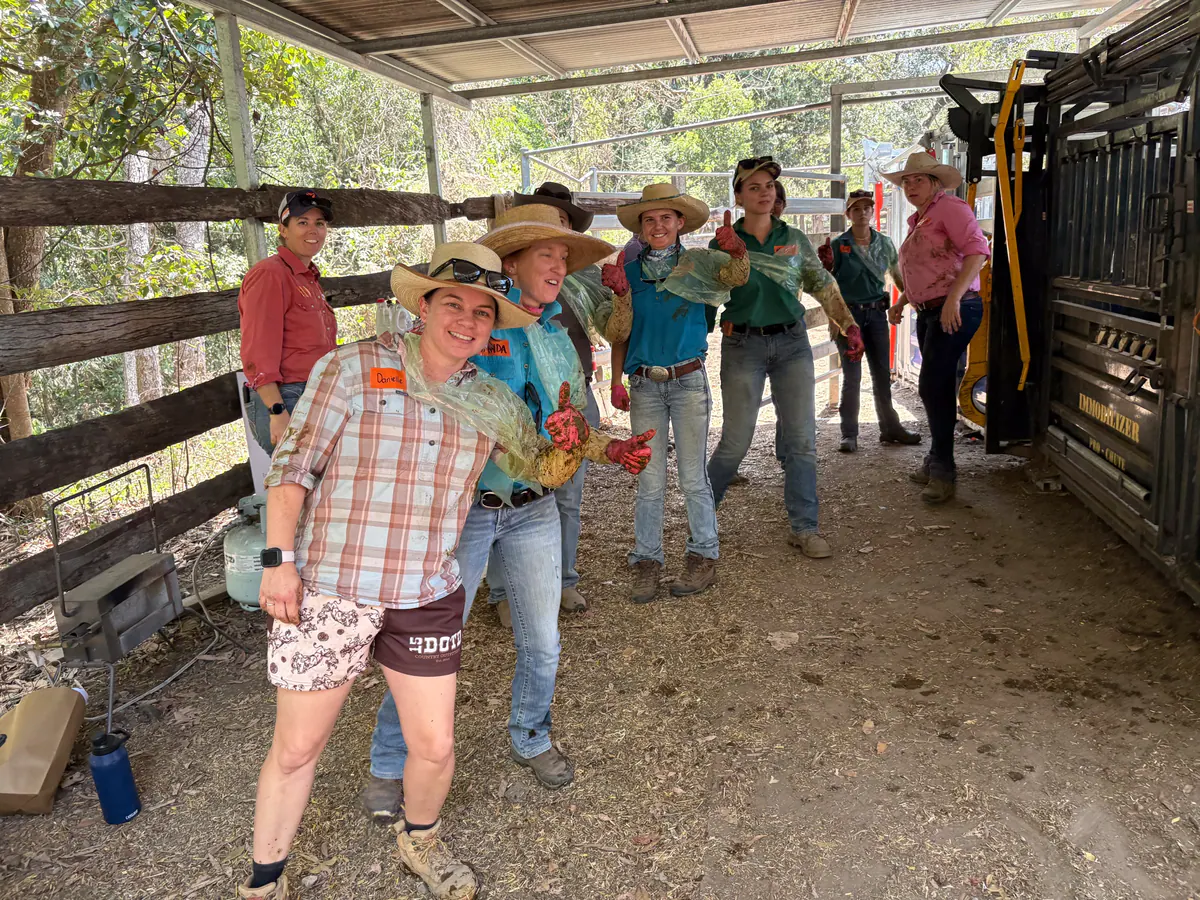
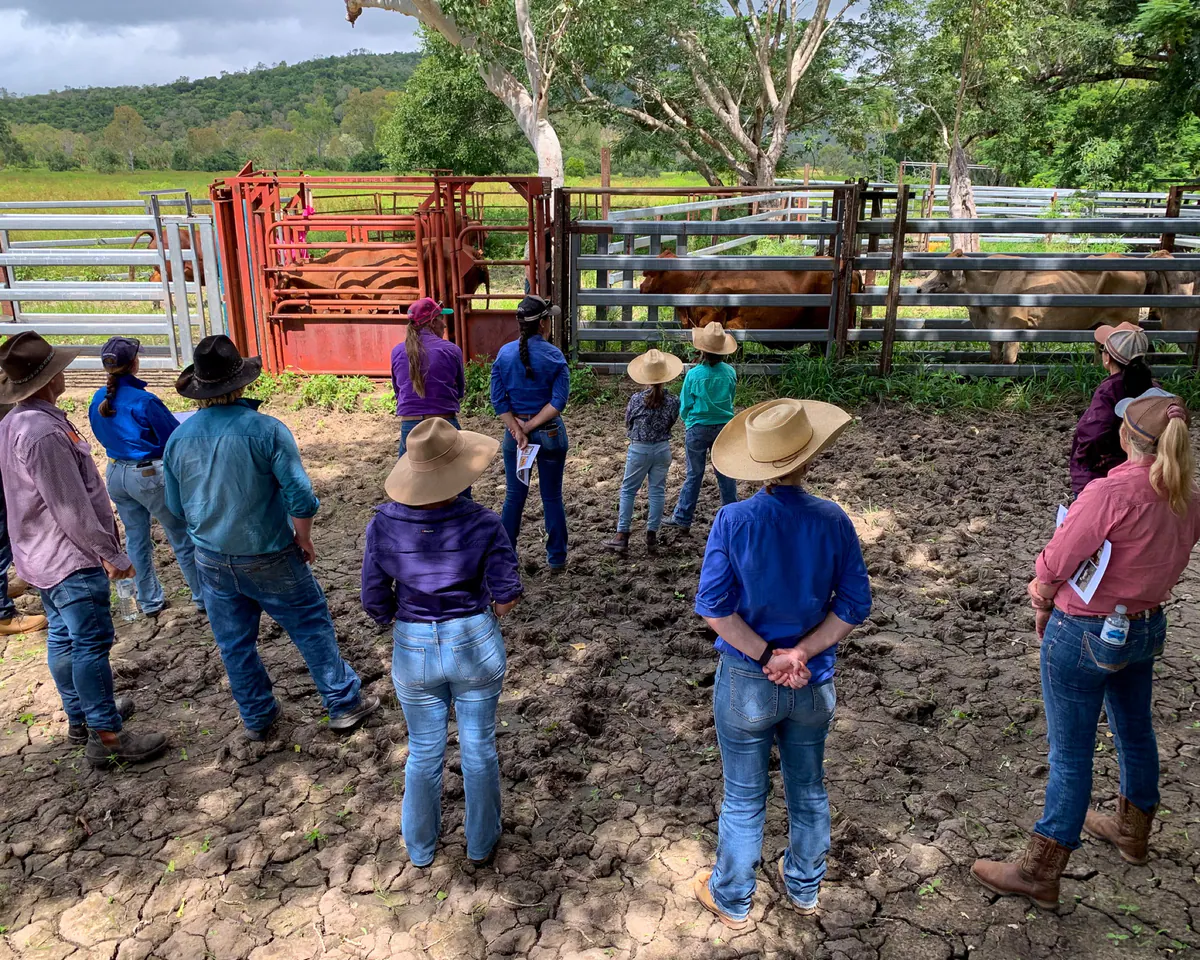
A bovine pregnancy testing workshop for 12 women at Ilbilbie, November 2025.
12
women trained
100+
cows assessed
2
days of theory and hands-on learning
Reef Catchments' Women in Agriculture peer-to-peer group began with a simple idea: create meaningful connections between women involved in agriculture and provide opportunities to share knowledge, learn from one another and collaborate.
The bovine pregnancy testing workshop held in Ilbilbie was a practical example of that idea in action. In November 2025, 12 women from across the region came together to strengthen their cattle management skills through two days of theory, hands-on learning and knowledge sharing. Participants learned how to assess pregnancy status and body condition across more than 100 cows, under the guidance of local veterinarian Dr Joanne Connolly of Impact Veterinary Services.
Pregnancy testing is an important part of herd management, helping graziers identify which cattle are in-calf and make timely decisions about feeding, joining, culling and herd composition. Building this capability within the farm team can also reduce reliance on external services for routine testing, helping producers make better use of their time and investment.
For the ladies involved, the workshop was about more than learning a new technical skill. It was about building confidence, creating connections and strengthening their role in farm decision-making alongside other women working in agriculture.
Participants also explored body condition scoring and in-paddock soil testing, including a demonstration of the pH textura Spoon by Reef Catchments Sustainable Agriculture Project Officer Kimberley Bland. Together, these skills support a more informed approach to herd, soil and pasture management.
It was great to learn a skill that I can take back to the farm and actually use. Being able to learn alongside other women, share experiences and build our confidence together made the workshop even more valuable.”
This workshop was about giving women the confidence to build their own skills and play a more active role in the decisions being made on their property. When women come together to learn, share their experiences and support each other, the benefits extend well beyond the workshop itself.”
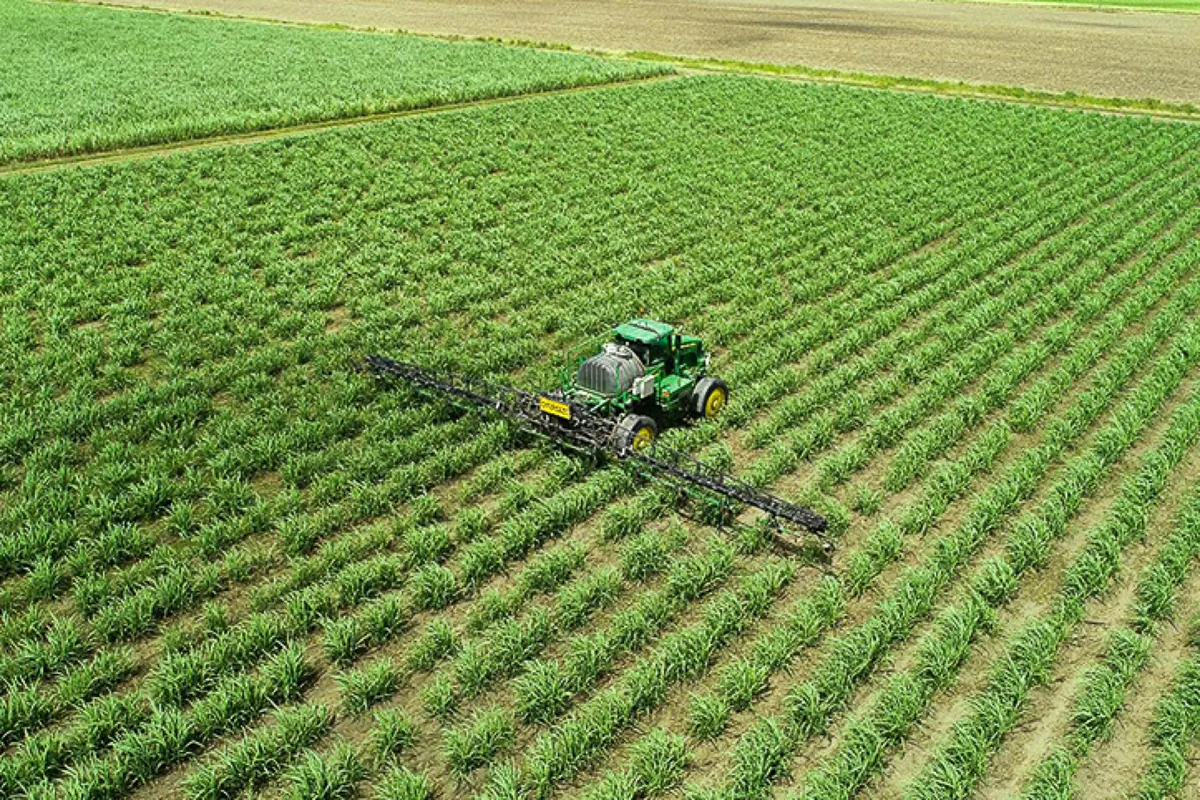
Across the Mackay Whitsunday Isaac region, farmers are facing increasing pressure from climate variability, changing market expectations and the need to balance production with environmental stewardship.
Throughout FY2026, Reef Catchments worked alongside graziers and cane growers on natural capital planning, greenhouse gas assessments, climate-smart grazing, soil health monitoring and water quality initiatives, through the Climate Smart Agriculture Program and the Tropical North Queensland Drought Resilience Partnership.
Climate Smart Agriculture · Habana and Dysart
For Judy and Brian Pownall, learning never stops.
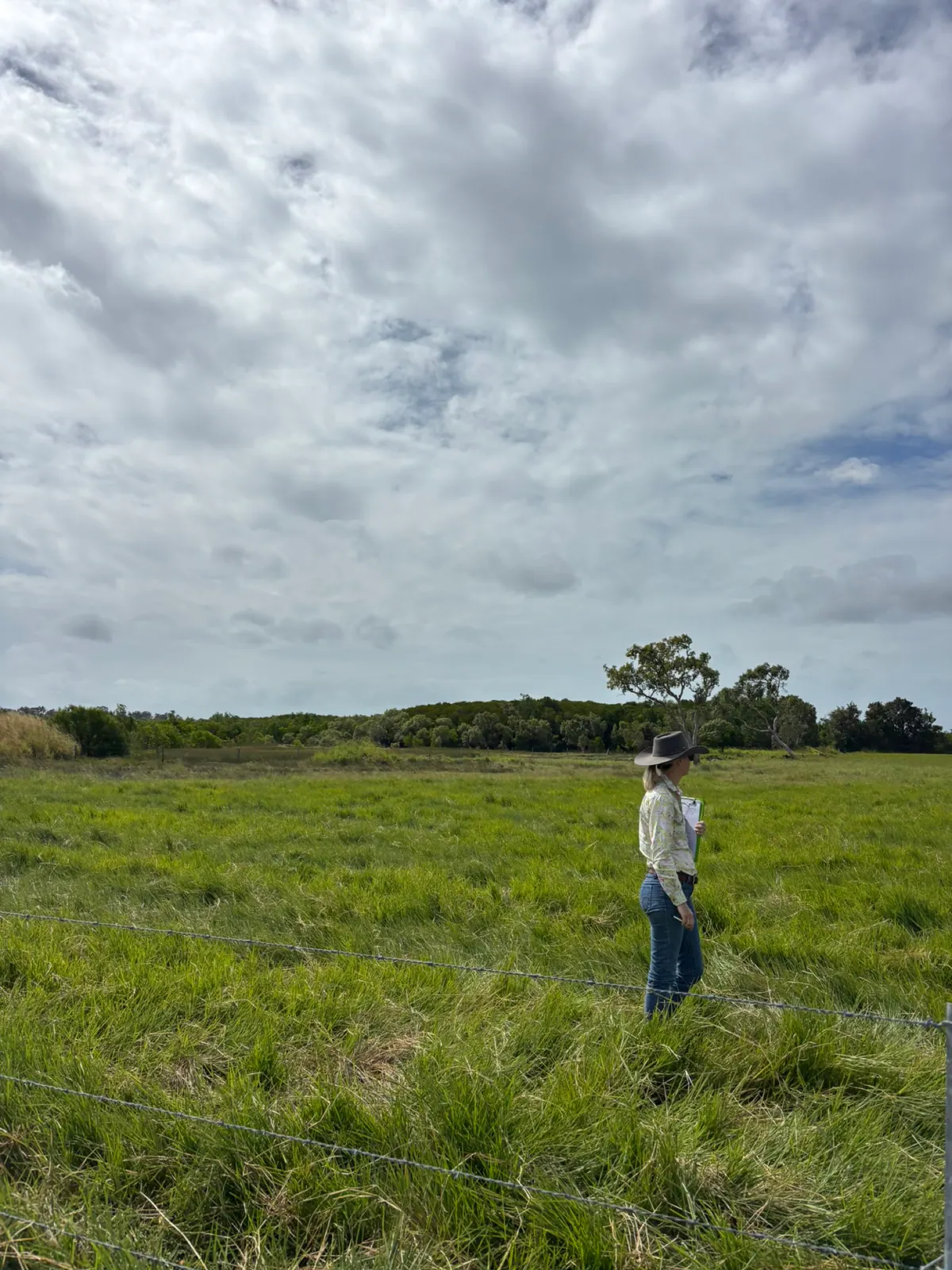
Coastal
Habana, north-west of MackayA 105-hectare coastal block.105 ha
coastal block at Habana, north-west of Mackay
2
properties, one coastal and one inland at Leichardt Station near Dysart
The couple run cattle operations across two very different Queensland landscapes. Managing cattle in both coastal and inland environments has given them a unique opportunity to compare what works, adapt management approaches and continually improve the way they care for their land.
Through Reef Catchments' Climate Smart Agriculture Project, the Pownalls have been exploring the links between grazing management, soil health and natural capital. The program has helped them better understand the different soils and grass they will now be managing in a coastal environment.
By embracing new knowledge and sharing lessons across their grazing enterprises, the Pownalls are helping demonstrate how management practices can support productive and resilient grazing businesses in varying climates.
No two properties are the same, and there are ideas and management practices you can take from one place and adapt in another. Being involved in the project has reinforced the importance of understanding what is happening in our coastal soils so we can make better decisions for the future.”
In FY2026 we tested practical answers to some of the region's biggest challenges.
Four farm treatment systems installed
AI spot-spraying: a commercial-scale trial to control guinea grass
Circular economy: a regional assessment that found new ways to cut nutrient losses and improve water quality
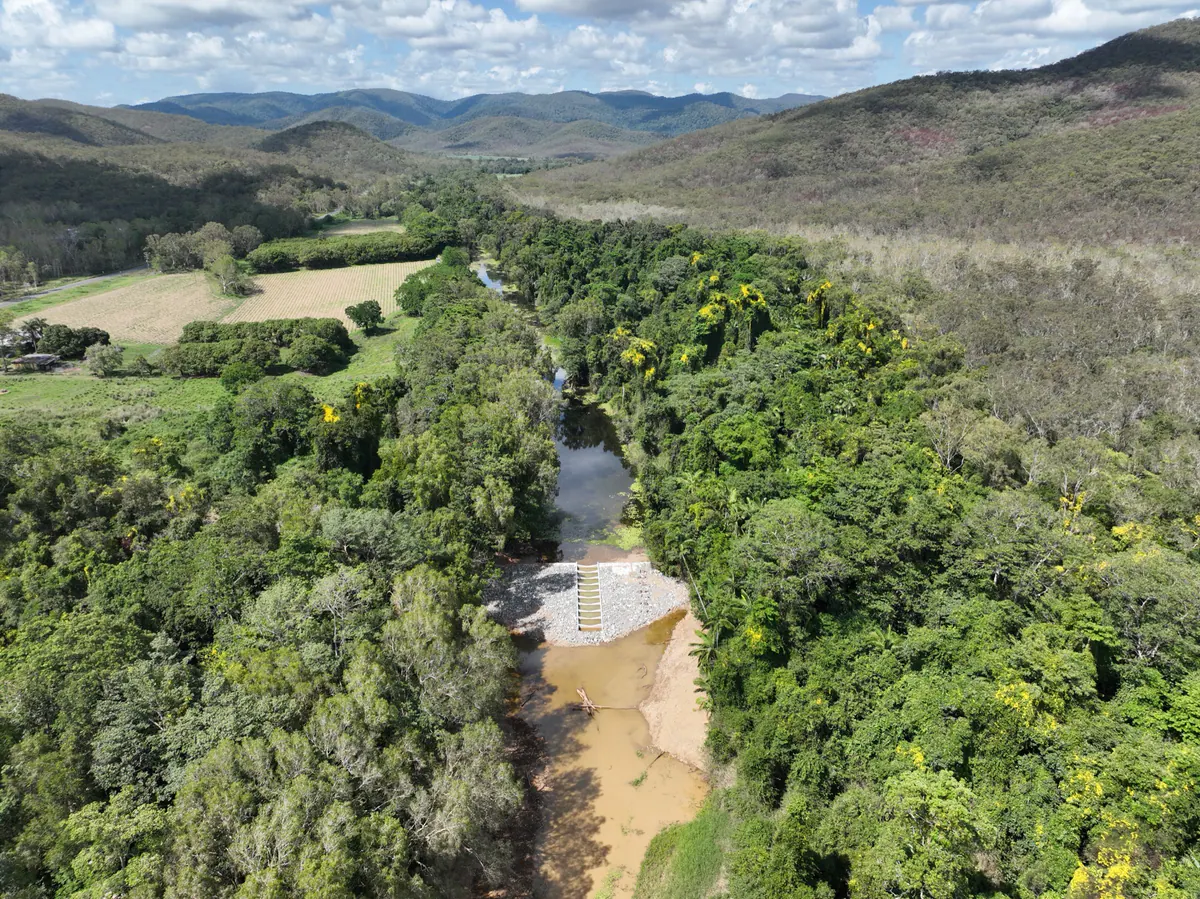
Biodiversity · Carmila Creek and Slade Point
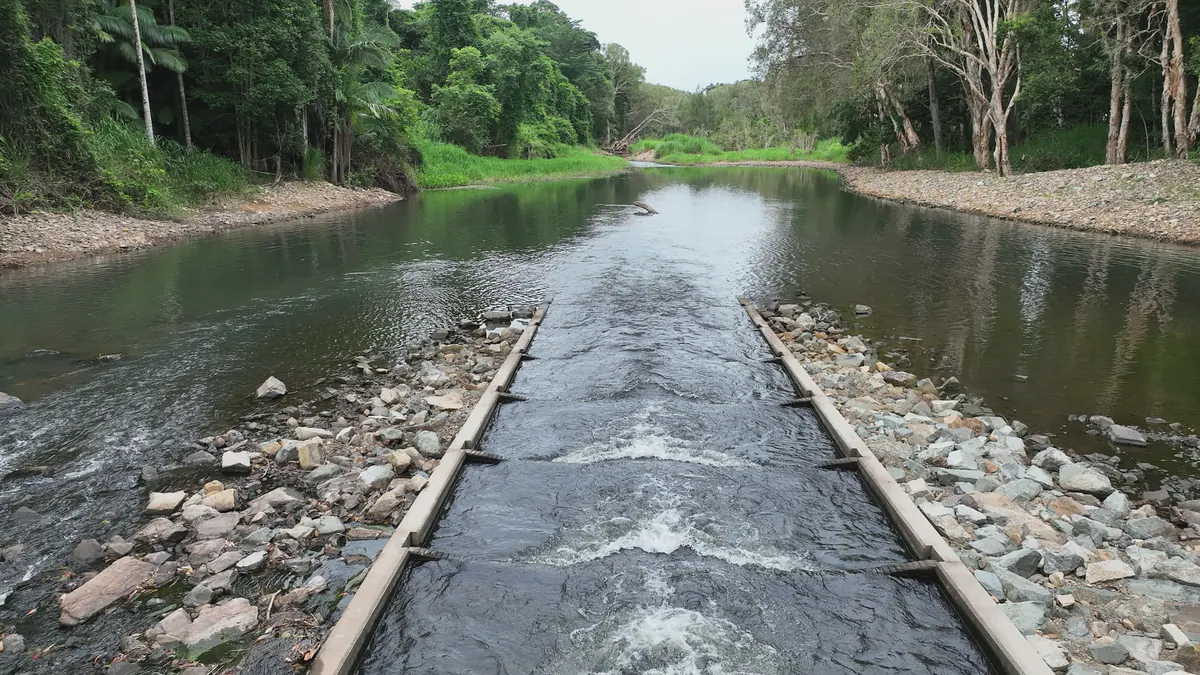
50+ years
the Carmila Creek weir blocked native fish
11
native species recorded moving through the fishway
32 ha
of Slade Point wetland reconnected to the tide
1,000+
fish using the Slade Point wetland within 54 days
For more than 50 years, the Carmila Creek Gauging Weir blocked native fish from reaching important upstream habitat. Through the Beyond Barriers project, Reef Catchments helped restore this connection by installing Australia's first Nursery Step fishway, reopening access to waterways that had been cut off for decades.
The results were immediate. Before construction, only three fish were recorded moving upstream. After the fishway was installed, more than 1,100 fish from 11 native species were recorded passing the barrier, including barramundi, sea mullet, tarpon and long-finned eels. Barramundi were also found upstream of the weir for the first time.
At Slade Point, 32 hectares of wetland were restored and reconnected to natural tidal flows. Within just 54 days, more than 1,000 fish were recorded using the rehabilitated habitat, while native wetland vegetation flourished and invasive Olive Hymenachne disappeared.
Together, these projects show how restoring natural water flows can quickly bring waterways back to life, strengthening fish populations and improving the health of ecosystems that flow to the Great Barrier Reef.
One of the most rewarding outcomes was seeing barramundi return to habitats upstream of Carmila Weir that had effectively been cut off for decades. It shows how quickly ecosystems can recover when connectivity is restored.”
The Carmila fish ladder on ABC radio, May 2026
Carmila Creek Gauging Weir
Before the fishway
3
After the fishway
1,100+
From 11 native species, including barramundi, sea mullet, tarpon and long-finned eels.
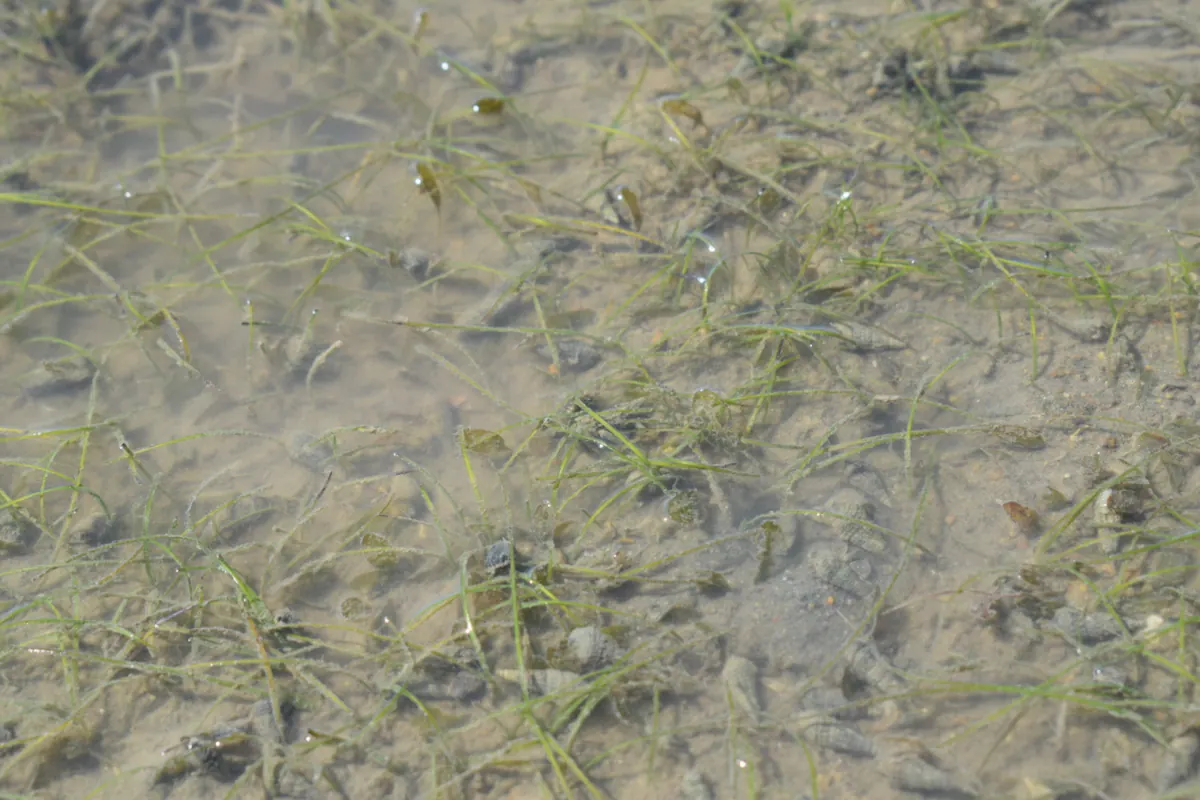
Seagrass · (Sea)Grassroots project with CQUniversity
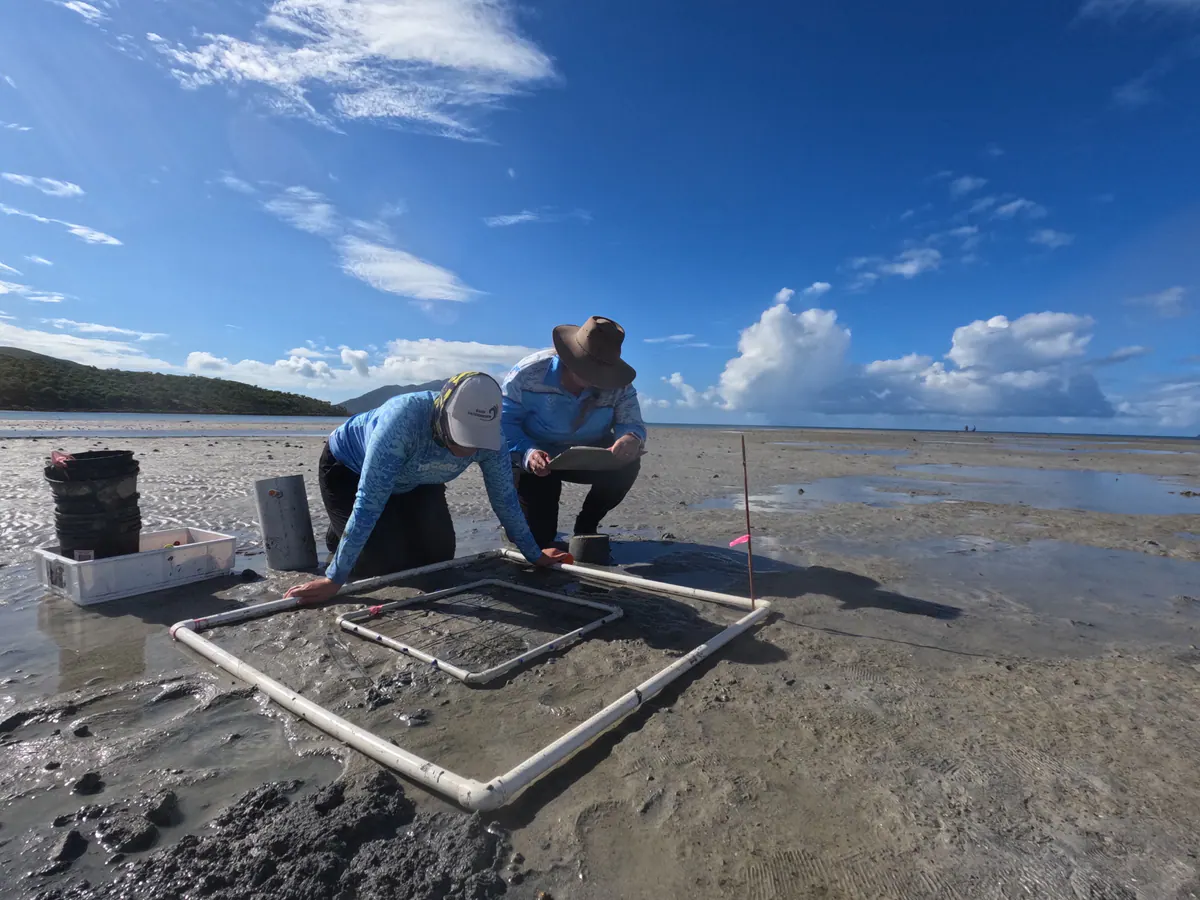
The first aquaculture permit for seagrass restoration within the Marine Park area at Sarina Inlet
1st
aquaculture permit for seagrass restoration within the Marine Park area at Sarina Inlet
26
Halodule uninervis seeds found in the Airlie Beach nursery
15
of those seeds viable and able to germinate
Seagrass restoration is still an emerging field, with much of the work across the Great Barrier Reef focused on research and small-scale trials.
In FY2026, Reef Catchments took an important step forward from research to on-ground action by securing the first aquaculture permit for seagrass restoration in the Marine Park, creating a genuine pathway for others to follow to restore seagrass ecosystems at scale.
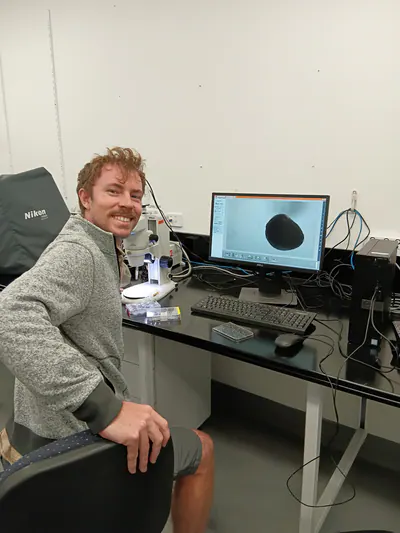
Working alongside CQUniversity through the (Sea)Grassroots project, the team is advancing restoration science. In early 2026, 26 Halodule uninervis seeds were identified in Reef Catchments' Airlie Beach seagrass nursery, including 15 viable seeds capable of germination. The discovery has opened the door to new seed-based restoration research for a species thought to be more resilient to heat and changing climate conditions.
Healthy seagrass meadows stabilise sediments and provide habitat for dugongs, turtles and fish.
The discovery of 15 potentially viable seeds is quite exciting toward fulfilling the goals of the project, as the seeds and flowers of Halodule plants are often difficult to locate.”
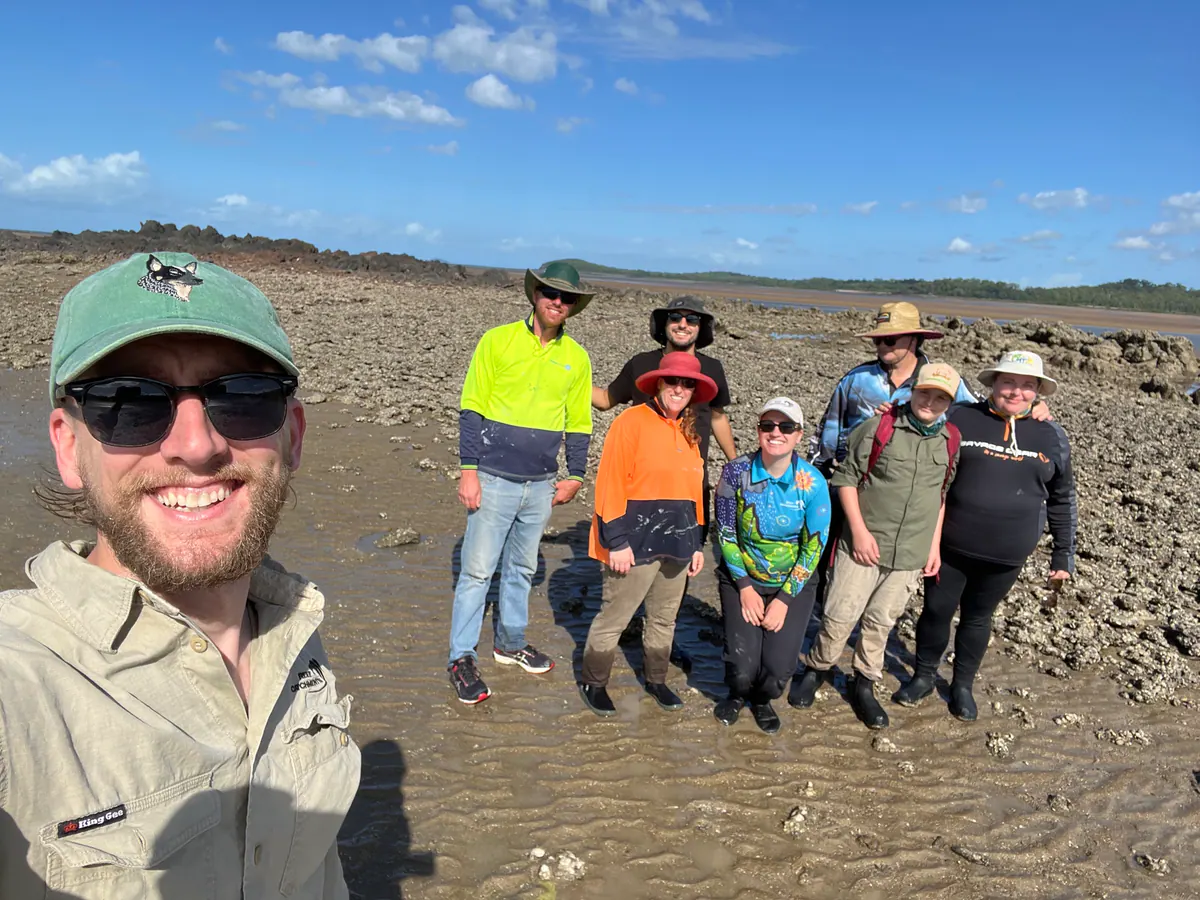
124
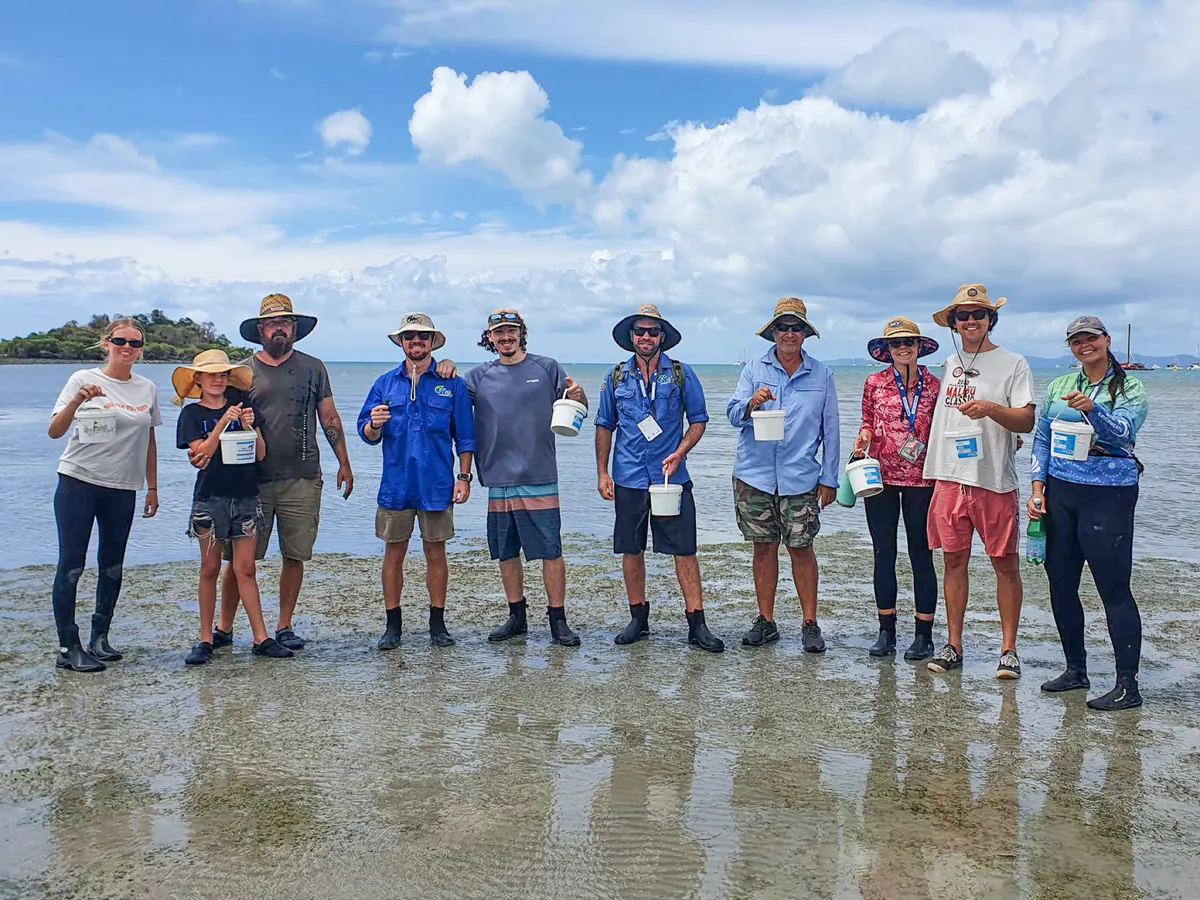
community events
More than two a week, every week of the year.
264
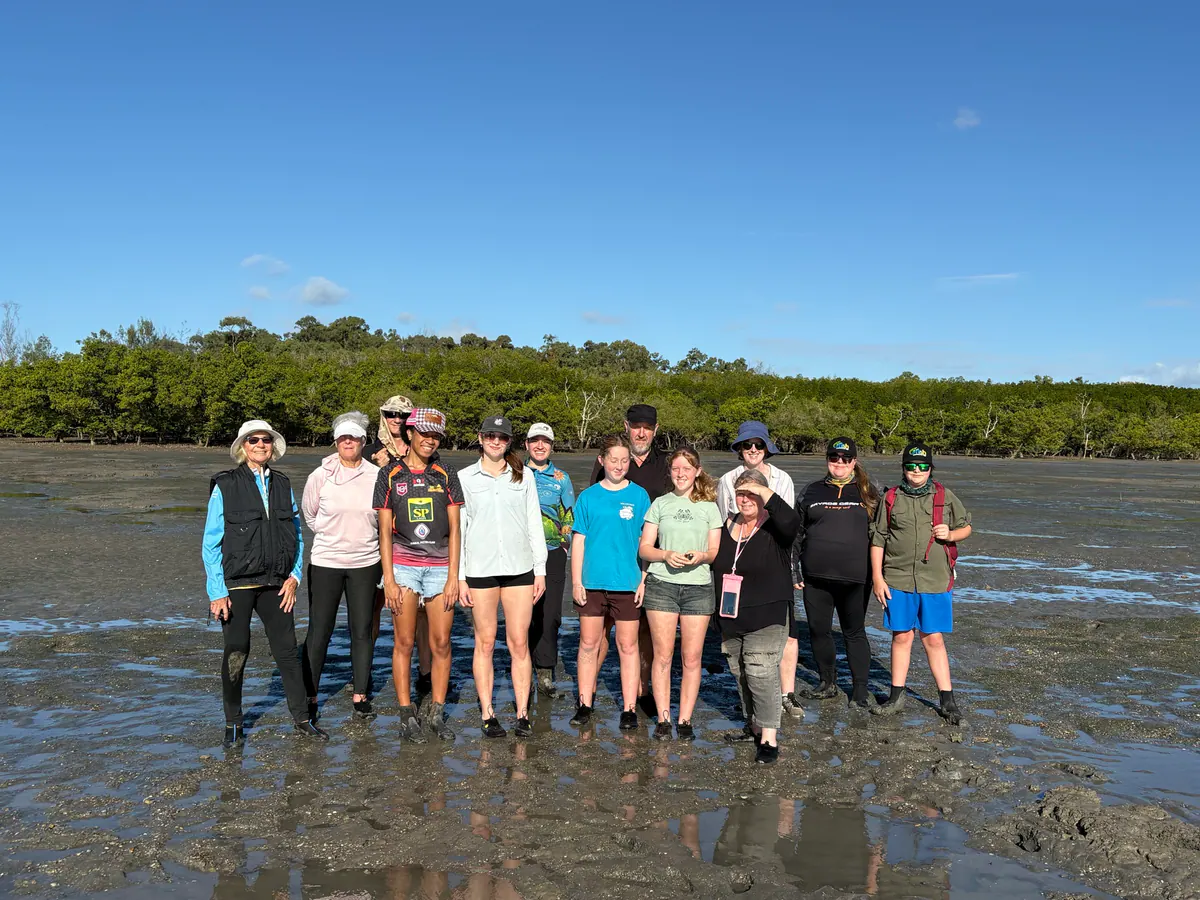
hours volunteered by community members
More than a month of full-time work.
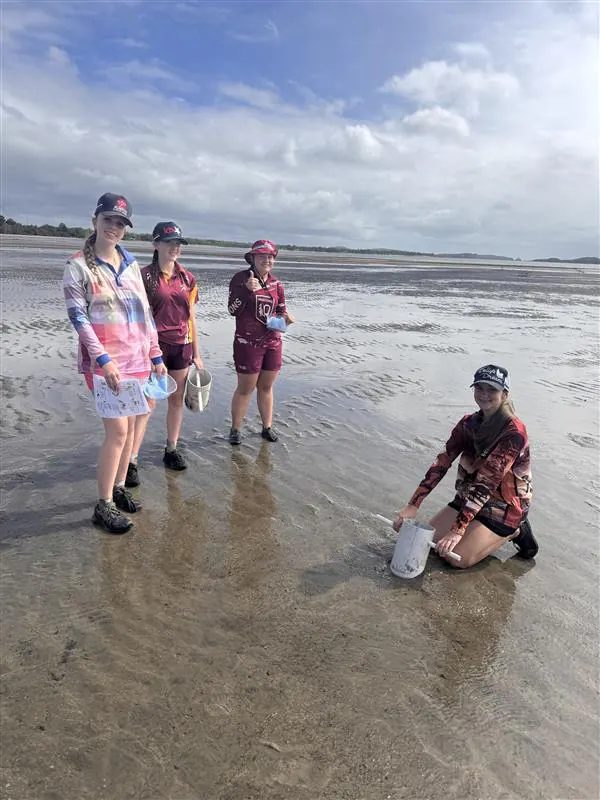
184
local students in the Healthy River to Reef STEMS Program
Enough to fill more than four school buses.
138
volunteers
239
training workshop participants
Soil health, pastures, koala monitoring, drone flying and grazing.
63
sugarcane growers changing practice
Across 7,605 ha.
19
graziers improving land management
Across 572 ha.
33,534
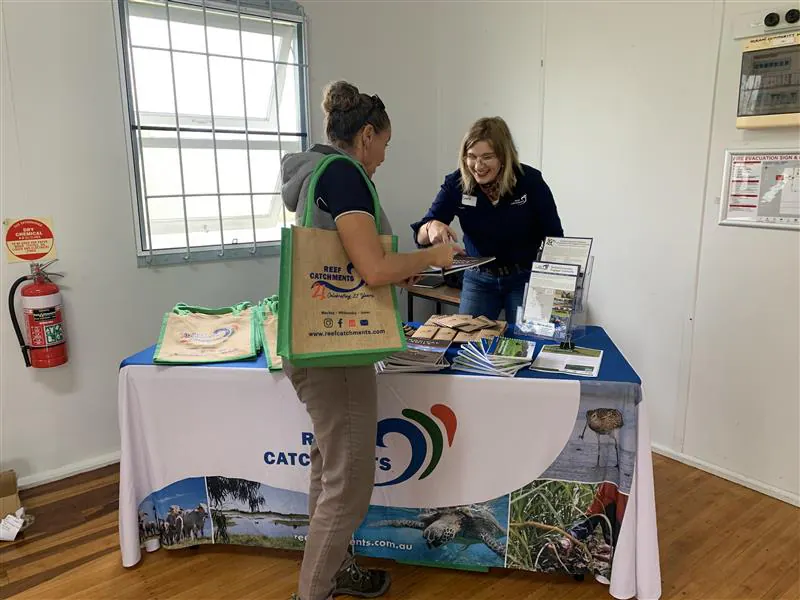
website visits
43
earned media stories across print, TV and radio
15%
increase in social reach across Instagram, Facebook and LinkedIn
51%
increase in Natural State newsletter subscribers
On WIN News, March 2026.
111 s
Reef Catchments CEO Katrina Dent on ABC North Queensland, November 2025.
Every project, every outcome and every success story is powered by partnership. We thank the funding bodies below for their ongoing support and shared commitment to a healthy, resilient and sustainable future for our region.


In FY2027, Reef Catchments will continue working with partners to deliver lasting environmental outcomes across the Mackay Whitsunday Isaac region. Guided by our Strategic Plan, we will focus on strengthening reef resilience, supporting sustainable agriculture, restoring landscapes and habitats, and inspiring community stewardship of our region's natural resources. Together, these priorities will help create resilient ecosystems and engaged communities for generations to come.
A region where healthy environments, prosperous communities and sustainable industries work together for generations to come.
Today
The work delivered today creates the foundation for healthier landscapes, stronger communities and a more resilient region tomorrow.
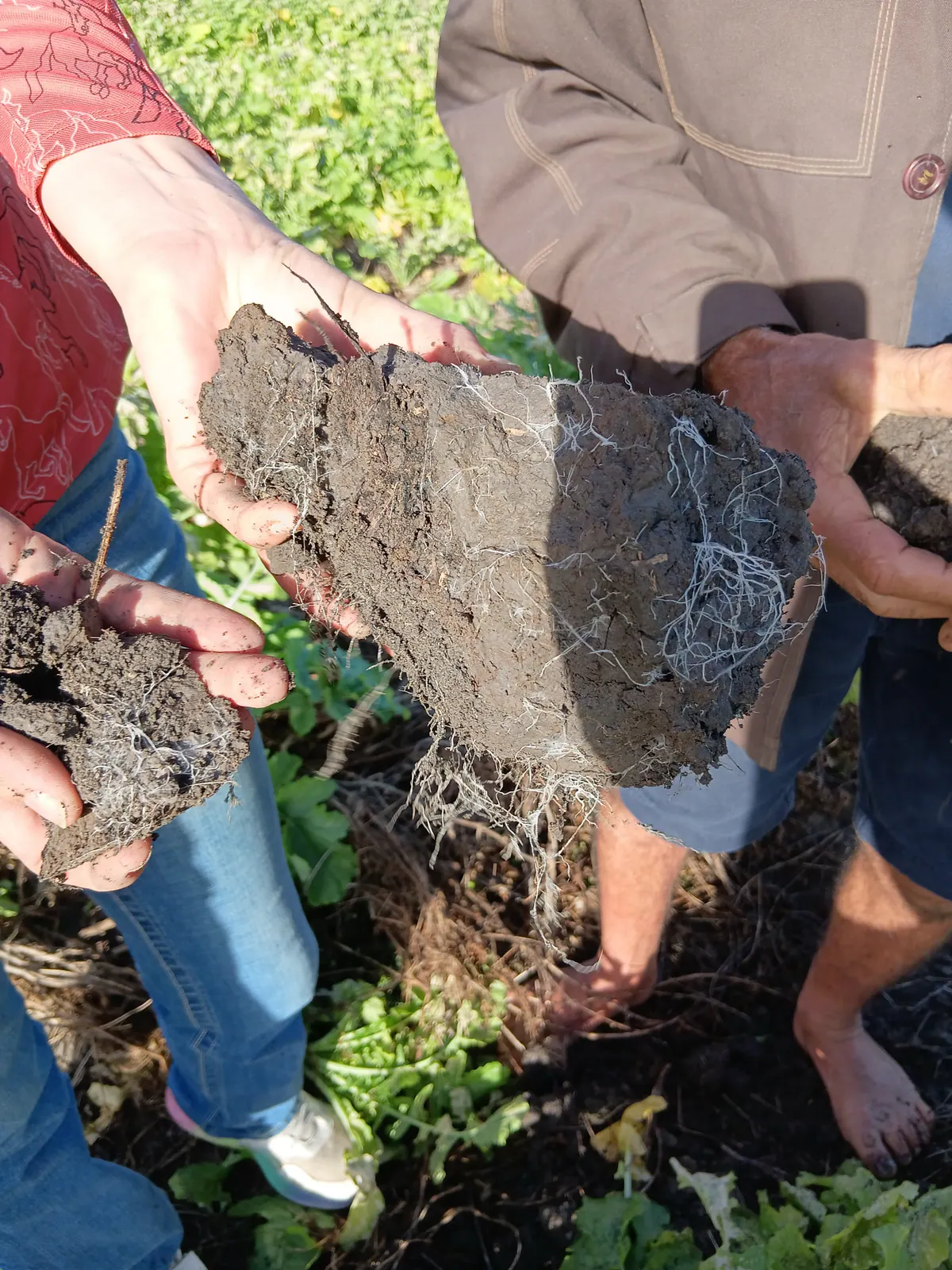
Tomorrow
Working with communities, industry and partners to grow solutions that improve environmental outcomes while supporting regional livelihoods.
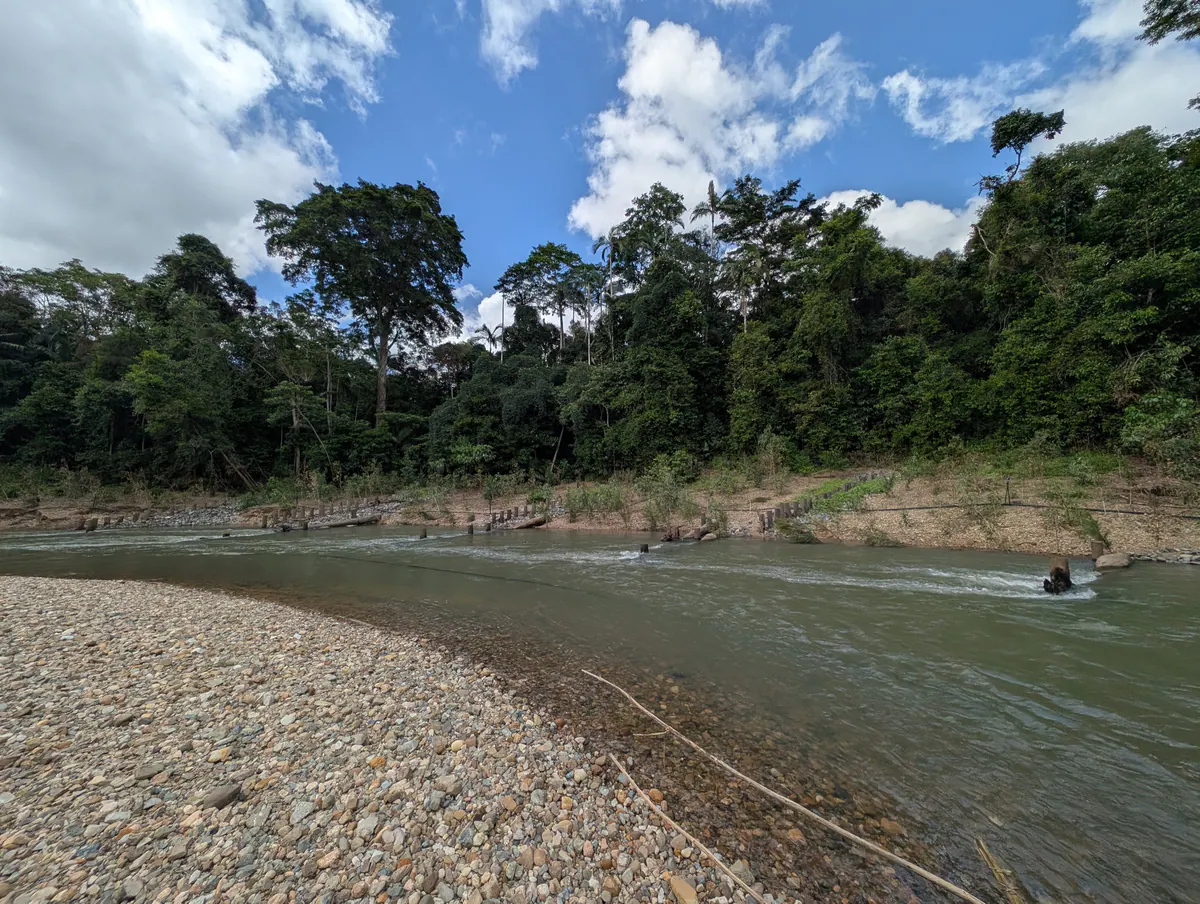
Future
Working alongside landholders, communities, Traditional Owners, industry and government to build resilient landscapes, healthy waterways and thriving communities, from the mountains to the sea.
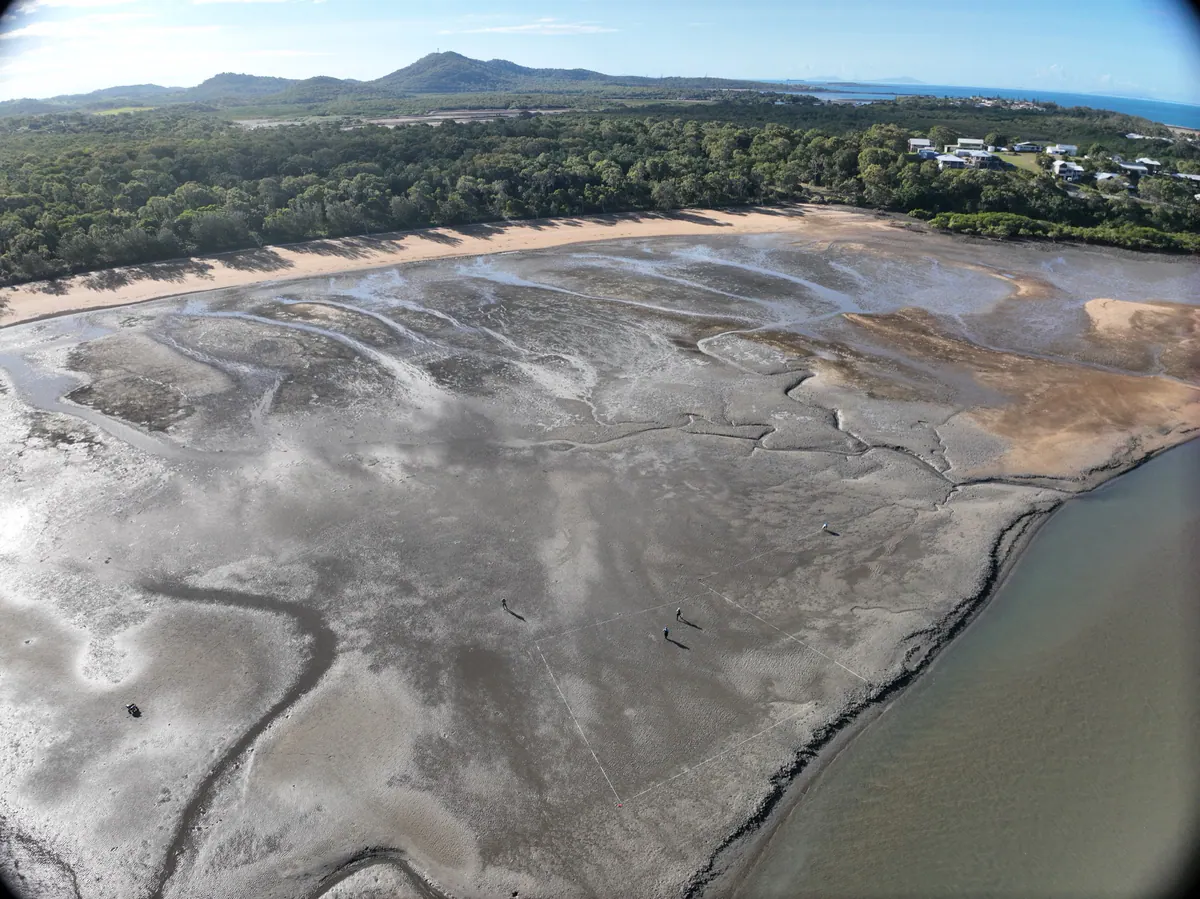
This year, together with our partners, communities and landholders, we planted 43,349 native trees and shrubs, safeguarded 14.2km of streambank, installed 62.3km of fencing, collected 220 marine water samples and worked with 62 landholders on active projects across the region.
“Together with our partners and communities, Reef Catchments is delivering practical environmental outcomes from the mountains to the sea.”
Visit our website, subscribe to Natural State or talk to us about partnering on a project.